
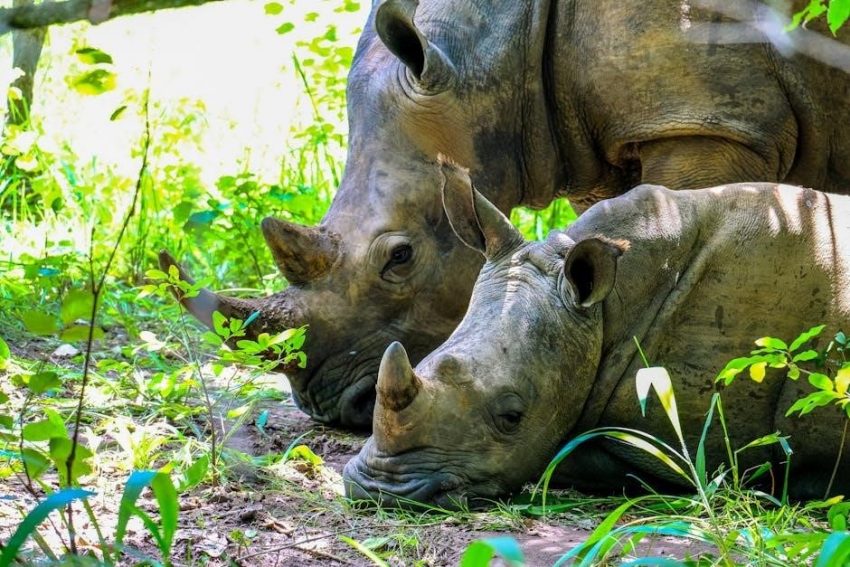
Rhinoceros Conservation Status and Population Trends: A Comprehensive Overview (PDF Focus)
Recent PDF reports, from sources like IUCN and TRAFFIC, detail rhino population status, highlighting persistent poaching driven by East Asian demand, impacting conservation efforts.
Rhinoceros conservation represents a critical global challenge, demanding urgent and coordinated action. The escalating threats of poaching, fueled by demand for rhino horn, alongside accelerating habitat loss, have driven several species to the brink of extinction. Accessing and analyzing comprehensive data is paramount, and PDF reports from organizations like the IUCN Species Survival Commission, TRAFFIC, and WWF serve as vital resources for understanding the current status and trends.
These reports synthesize extensive field research, population surveys, and trade analyses, providing invaluable insights into rhino population dynamics, poaching hotspots, and the effectiveness of conservation strategies. Understanding the historical decline, particularly in regions like Nepal during the 1960s, underscores the importance of proactive measures. The availability of these PDF documents facilitates informed decision-making for conservationists, policymakers, and stakeholders worldwide, enabling targeted interventions to safeguard these magnificent creatures for future generations.
The Importance of PDF Reports in Rhino Conservation
PDF reports are indispensable tools in rhinoceros conservation, offering a centralized and accessible repository of critical data. Documents from the IUCN Species Survival Commission’s Rhinoceros Specialist Groups provide detailed species assessments, outlining conservation status and threats. TRAFFIC’s reports, readily available as PDFs, meticulously analyze rhino horn trade patterns, exposing supply chains and demand drivers. WWF’s documentation, often in PDF format, showcases on-the-ground conservation efforts and their impact.
These reports facilitate informed decision-making by providing a standardized format for data dissemination, enabling researchers, policymakers, and conservation organizations to collaborate effectively. The ability to easily share and archive these PDFs ensures long-term data preservation and accessibility, crucial for tracking progress and adapting strategies. They represent a vital component of evidence-based conservation, guiding resource allocation and maximizing the impact of interventions.
Current Rhino Population Status (2025)
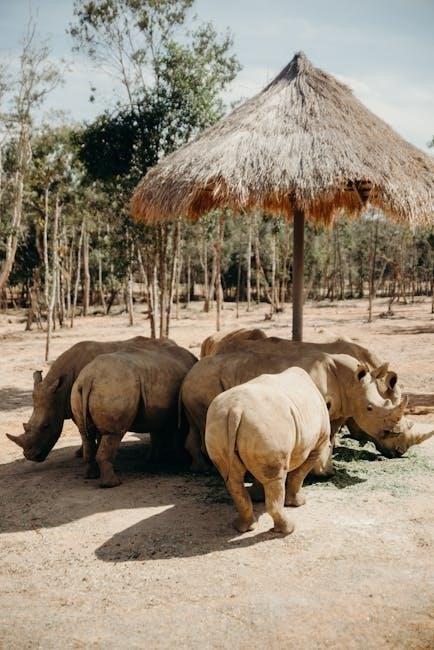
PDF sources estimate the total worldwide rhino population at fewer than 27,000 individuals, facing ongoing threats despite recent modest poaching declines.
Global Rhino Population Estimates
PDF reports from organizations like the International Rhino Foundation and IUCN Species Survival Commission provide crucial insights into global rhino numbers as of 2025. These documents indicate a precarious situation, with the total worldwide population estimated to be fewer than 27,000 individuals across all five species.
However, obtaining precise figures remains challenging due to difficulties in monitoring remote populations and ongoing security concerns. PDF analyses reveal that African rhinos, comprising both White and Black rhino subspecies, constitute the majority of this total. Asian rhino species – Greater One-Horned, Javan, and Sumatran – are significantly fewer in number and face particularly acute threats.
These PDF-based estimates are regularly revised by expert groups, such as the African Rhino Specialist Group (AfRSG), typically every two to three years, reflecting updated survey data and population trends. The data underscores the urgent need for continued conservation efforts.
African Rhino Populations: A Detailed Look
PDF reports, notably “State of the Rhino 2022” from the International Rhino Foundation, detail the African rhino situation. While facing significant challenges, African rhinos represent the larger portion of the global population. However, poaching remains the primary threat, overshadowing concerns about habitat loss due to human development.
PDF documentation highlights Namibia as holding the largest single population of Black Rhinos, a result of sustained WWF support throughout the 1990s. These reports emphasize the critical need for continued anti-poaching measures and law enforcement to protect these vulnerable animals.
The AfRSG regularly updates population estimates, published in PDF format, revising figures every two to three years. These analyses are vital for tracking trends and adapting conservation strategies, ensuring viable populations persist despite ongoing pressures.
White Rhino Population and Distribution
PDF reports from organizations like the IUCN Species Survival Commission detail the White Rhino’s population dynamics and geographic distribution. Historically, severe declines occurred due to indiscriminate poaching, but conservation efforts have led to a rebound, though ongoing threats persist. Current PDF documentation indicates a significant, though vulnerable, population size.
These reports outline the primary range states for White Rhinos, focusing on South Africa, which holds the vast majority of the population. PDF analyses reveal ongoing challenges related to poaching for horn, driving the need for intensified anti-poaching strategies.
PDF data emphasizes the importance of monitoring population trends and understanding distribution patterns to effectively allocate conservation resources and mitigate threats to this iconic species’ survival.
Black Rhino Population and Distribution
PDF reports from the African Rhino Specialist Group (AfRSG) provide critical insights into the Black Rhino’s precarious population status and distribution. These documents reveal a history of catastrophic decline due to poaching and habitat destruction, with numbers dwindling to critically low levels in the 1960s. Recent PDF analyses show a slow, but positive, recovery.
PDF data highlights key range states including South Africa, Namibia, Kenya, and Zimbabwe, detailing population estimates for each. The AfRSG’s PDF updates, revised every 2-3 years, are essential for tracking trends and informing conservation strategies.
PDF documentation consistently emphasizes the ongoing threat of poaching, necessitating robust anti-poaching measures and collaborative conservation initiatives to secure the future of this endangered species.
Asian Rhino Populations: A Detailed Look
PDF reports from organizations like the IUCN Species Survival Commission offer a detailed overview of the critically endangered Asian rhino species. These documents highlight the fragmented and precarious status of these populations, significantly smaller than their African counterparts. Accessing these PDFs is crucial for understanding the unique challenges facing each subspecies.
PDF analyses reveal the Greater One-Horned Rhino as the most numerous, primarily found in India and Nepal, while the Javan and Sumatran Rhinos face imminent extinction with extremely limited populations. PDF data emphasizes the importance of focused conservation efforts.
These PDF resources detail range states, population estimates, and ongoing threats, providing vital information for informed conservation planning and resource allocation.
Greater One-Horned Rhino Population and Distribution
PDF reports, particularly those from WWF and the IUCN, detail the Greater One-Horned Rhino (Rhinoceros unicornis) as the most populous Asian rhino species. These PDFs indicate a slowly increasing population, currently estimated at around 3,500-4,000 individuals as of 2025. Accessing these documents provides precise figures and trend analyses.
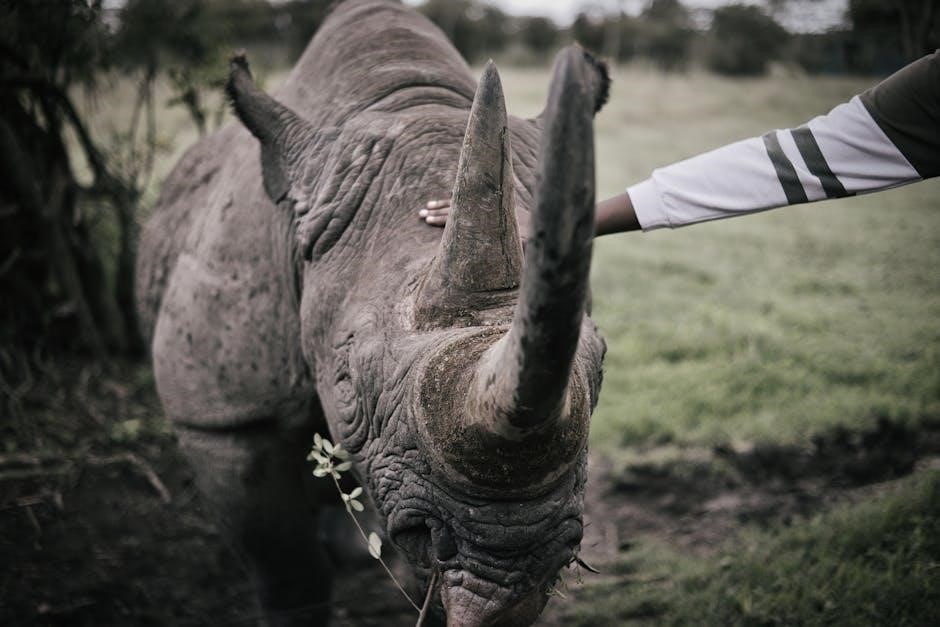
PDF maps illustrate their distribution concentrated in northeastern India (Assam, West Bengal, and Uttar Pradesh) and Nepal’s Terai Arc Landscape. PDF analyses highlight successful conservation efforts in these regions, including anti-poaching patrols and habitat management.
However, PDF data also reveals ongoing threats, including habitat loss and fragmentation, necessitating continued monitoring and conservation strategies detailed within these crucial PDF resources.
Javan Rhino Population and Distribution
PDF reports from the IUCN Species Survival Commission consistently classify the Javan Rhino (Rhinoceros sondaicus) as Critically Endangered. These PDFs reveal a shockingly low population, estimated at fewer than 80 individuals as of 2025 – making it the rarest large mammal on Earth. Accessing these PDFs provides the most up-to-date estimates.
PDF distribution maps show the entire remaining population is confined to Ujung Kulon National Park in Java, Indonesia. PDF analyses detail the extreme vulnerability of this single population to disease outbreaks, natural disasters, and poaching, despite intensive protection efforts.
PDF documentation emphasizes the urgent need for establishing a second population to secure the species’ future, a challenge thoroughly discussed within these vital PDF resources.
Sumatran Rhino Population and Distribution
PDF reports from organizations like WWF and the IUCN detail the precarious status of the Sumatran Rhino (Dicerorhinus sumatrensis). These PDFs indicate a fragmented population, estimated at fewer than 80 individuals in 2025, categorized as Critically Endangered; Accessing these PDFs reveals the severity of the decline.
PDF distribution maps show the remaining Sumatran rhinos are scattered across small, isolated pockets in Sumatra, Indonesia, and potentially in Malaysian Borneo, though confirmation relies on recent PDF-based survey data. PDF analyses highlight the challenges of connecting these fragmented populations.
PDF documentation stresses the importance of intensive protection and assisted reproduction programs, as detailed in conservation strategy PDFs, to prevent extinction.
Threats to Rhinoceros Populations
PDF reports consistently identify poaching as the primary threat, fueled by demand in East Asia, alongside habitat loss, as detailed in conservation PDFs.
Poaching: The Primary Threat
PDF reports from organizations like TRAFFIC and the IUCN Species Survival Commission consistently demonstrate that poaching remains the most significant threat to rhinoceros populations globally. These documents detail the relentless demand for rhino horn in East Asian markets, driving illegal hunting activities. Despite some reported decreases in overall poaching numbers over the last three years, the threat persists, requiring sustained and intensified anti-poaching measures.
PDF analyses reveal sophisticated criminal networks involved in the illegal rhino horn trade, highlighting the need for international collaboration and law enforcement. The reports emphasize that while other factors contribute to rhino decline, poaching directly impacts population numbers and hinders conservation progress. Accessing these PDF resources provides crucial insights into the scale and dynamics of this critical issue, informing targeted conservation strategies and resource allocation.
Habitat Loss and Degradation
PDF documentation, particularly historical reports concerning Nepal, illustrates how drastic habitat destruction in the 1960s led to a catastrophic decline in rhinoceros populations, reducing numbers to approximately 100 individuals. While poaching currently presents the primary threat to African rhinos, PDF analyses reveal that habitat loss remains a significant concern for long-term viability.
These reports detail how encroaching human development and agricultural expansion contribute to habitat fragmentation and degradation, limiting rhino access to essential resources. PDFs from WWF highlight past support for Namibian rhino conservation, emphasizing habitat security as a cornerstone of their strategy. Understanding these historical and ongoing challenges, as detailed in available PDFs, is crucial for developing effective habitat preservation and restoration initiatives to ensure sustainable rhino populations.
The Role of Demand in East Asia
PDF reports from TRAFFIC and the IUCN consistently emphasize that relentless demand for rhino horn in East Asia is the primary driver of poaching worldwide, despite recent slight decreases in overall poaching numbers. These PDF documents detail the complex networks involved in the illegal rhino horn trade and the persistent cultural beliefs fueling demand.
Analysis within these PDFs reveals that the perceived medicinal properties of rhino horn, particularly in traditional Asian medicine, continue to drive the market. Understanding the nuances of this demand, as presented in detailed PDF assessments, is critical for crafting targeted counter-poaching and demand reduction strategies. Further PDF research is needed to fully understand evolving consumer behaviors and disrupt the illegal trade routes originating from and destined for East Asian markets.
Conservation Efforts and Strategies
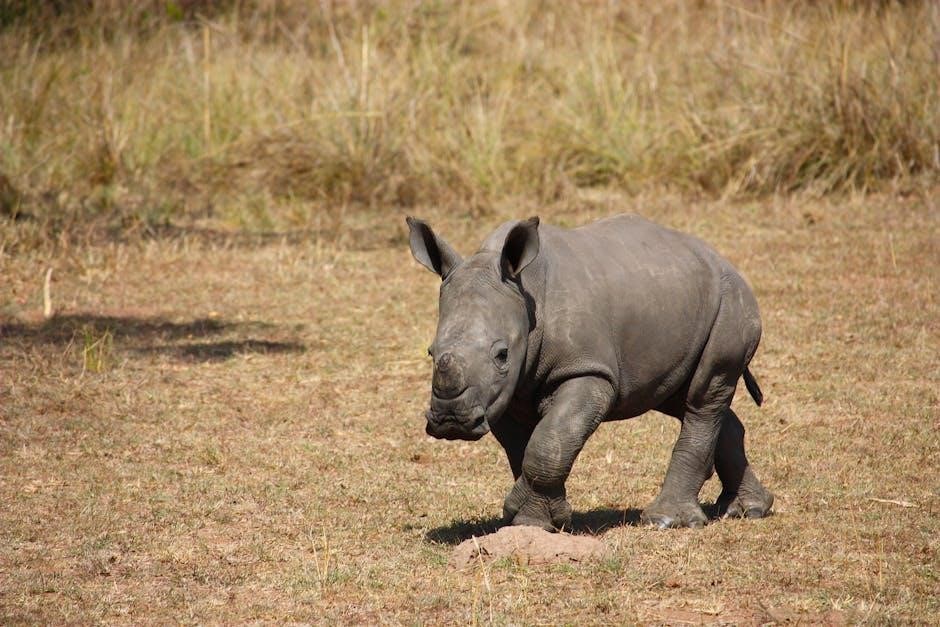
PDF documentation from WWF and the IUCN details anti-poaching measures, habitat preservation, and community-based initiatives crucial for sustaining viable rhino populations.
Anti-Poaching Measures and Law Enforcement
PDF reports from organizations like the International Rhino Foundation and TRAFFIC consistently emphasize the critical role of robust anti-poaching strategies. These encompass increased ranger patrols, utilizing advanced surveillance technologies, and strengthening collaboration between national parks and law enforcement agencies. Detailed within these documents are accounts of successful interventions, alongside analyses of poaching trends and the methods employed by criminal networks.
Furthermore, PDFs highlight the importance of specialized training for rangers, equipping them with skills in tracking, intelligence gathering, and forensic investigation. Legal frameworks are also scrutinized, with recommendations for stricter penalties for poachers and those involved in the illegal rhino horn trade. The effectiveness of these measures is often assessed through data presented in PDF format, revealing areas for improvement and adaptation in the ongoing fight against poaching.
Habitat Preservation and Restoration
PDF documentation from WWF and IUCN reveals that securing and restoring rhino habitats is paramount for long-term conservation success. These reports detail strategies like establishing protected areas, creating wildlife corridors to connect fragmented populations, and actively managing vegetation to ensure adequate food sources. PDFs often include maps illustrating rhino distribution alongside habitat suitability models, guiding preservation efforts.
Furthermore, these documents emphasize the need to address habitat degradation caused by factors like deforestation and agricultural expansion. Restoration projects, outlined in PDF reports, involve reforestation initiatives, invasive species removal, and community engagement to promote sustainable land-use practices. Analyzing these PDFs demonstrates a clear link between healthy ecosystems and thriving rhino populations, underscoring the importance of integrated conservation approaches.
Community-Based Conservation Initiatives
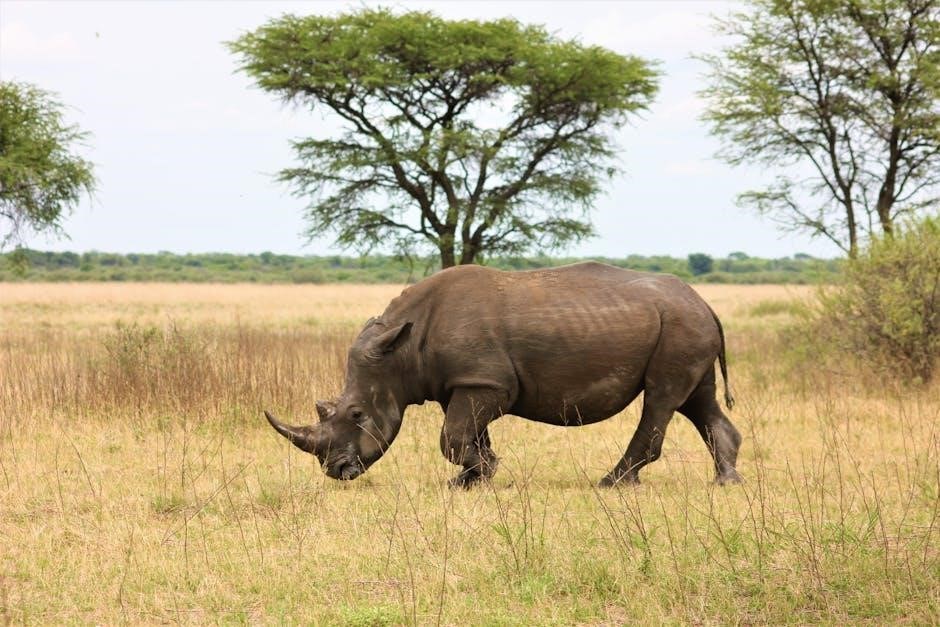
PDF reports from organizations like the International Rhino Foundation highlight the crucial role of local communities in rhino conservation. These documents detail initiatives that empower communities through economic incentives, such as ecotourism and sustainable livelihood projects, reducing reliance on poaching. PDFs showcase successful models where communities actively participate in anti-poaching patrols and habitat monitoring.
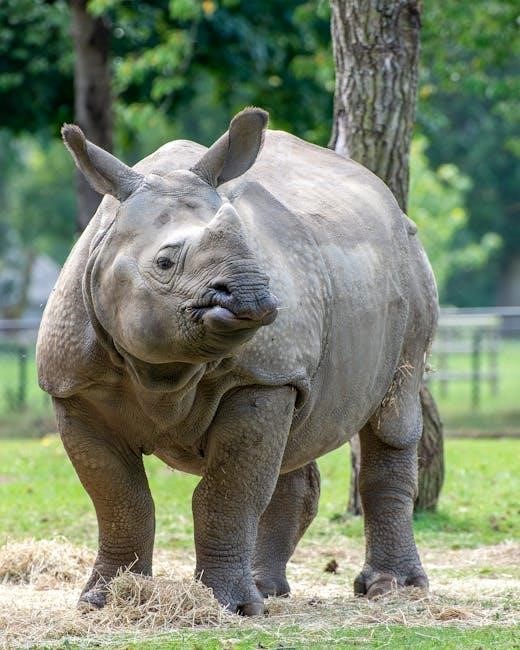
Analysis of these PDFs reveals a shift towards collaborative conservation, recognizing that long-term success depends on fostering a sense of ownership and stewardship among those living alongside rhinos. The reports emphasize the importance of education and awareness programs, building local capacity, and ensuring equitable benefit-sharing. These community-led approaches, documented in PDF format, are increasingly viewed as essential for securing the future of rhinoceros populations.
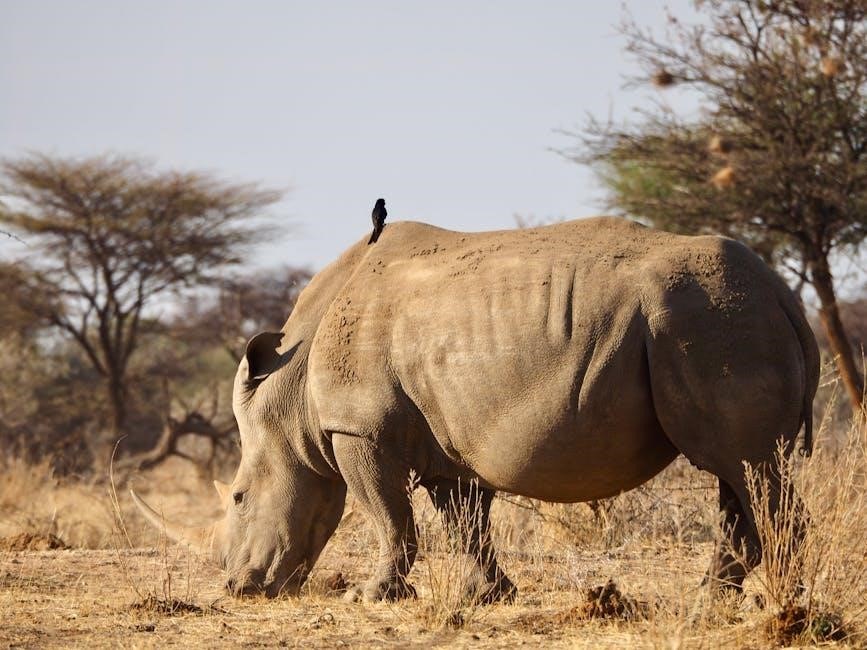
Analyzing Rhino Conservation Data (PDF Sources)
PDF reports from IUCN, TRAFFIC, and WWF provide critical insights into rhino conservation, detailing population trends, poaching statistics, and habitat assessments.
IUCN Species Survival Commission Reports
IUCN Species Survival Commission (SSC) reports, often available as PDF documents, are foundational to understanding rhinoceros conservation globally. These comprehensive assessments, conducted by the Rhinoceros Specialist Group (AfRSG), provide detailed population estimates, revised every two to three years, offering crucial data on species’ status.
The reports summarize the current status of each rhinoceros species, analyzing threats like poaching and habitat destruction. They meticulously document regional variations in conservation success, noting the critical endangered status of several subspecies. PDF access to these reports allows researchers and conservationists to delve into the methodology behind population assessments, ensuring transparency and informed decision-making. These documents are vital for tracking progress and adapting strategies to secure the future of these magnificent creatures, especially considering past population collapses.
TRAFFIC Reports on Rhino Horn Trade
TRAFFIC, a leading wildlife trade monitoring network, publishes crucial PDF reports detailing the illegal trade in rhino horn. These reports consistently highlight the relentless demand originating from East Asia as the primary driver of poaching, despite some observed worldwide decreases in recent years. PDF access allows for in-depth analysis of trade routes, seizure data, and consumer markets.
TRAFFIC’s investigations reveal sophisticated criminal networks involved in the sourcing, transportation, and sale of rhino horn. The reports often collaborate with the IUCN, providing a comprehensive picture of the threats facing rhinoceros populations. These PDF documents are essential for law enforcement agencies and conservation organizations to target interventions effectively, disrupt trafficking, and ultimately reduce poaching pressure on these endangered species.
WWF Conservation Efforts and Documentation
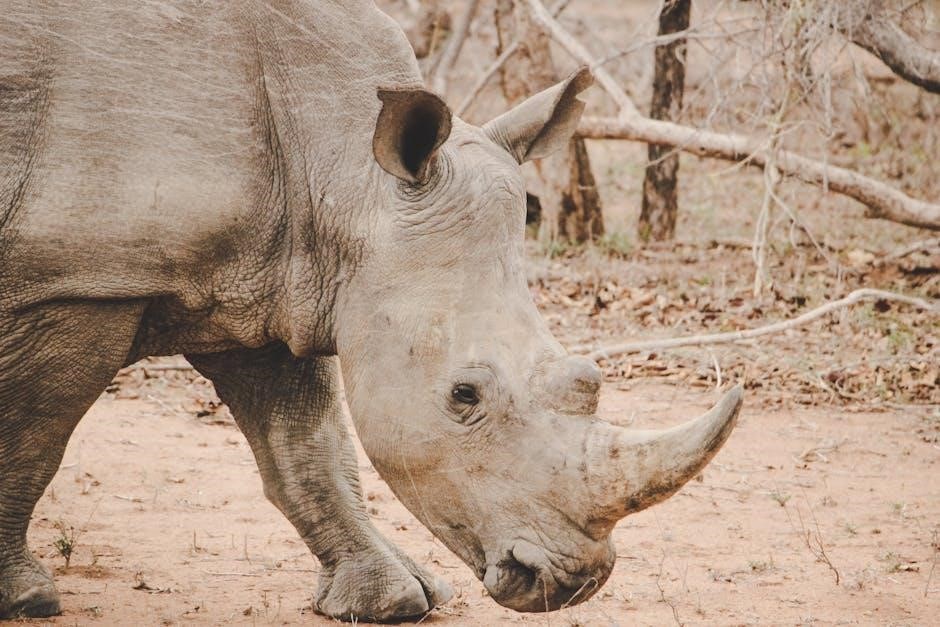
WWF (World Wildlife Fund) has a long history of rhino conservation, extensively documented in publicly available PDF reports and publications. Throughout the 1990s, WWF provided significant support to Namibia’s rhino conservation programs, helping to secure the largest single population of black rhinos. These PDF resources detail strategies focused on anti-poaching, habitat preservation, and community engagement.
WWF’s PDF reports showcase their collaborative approach, working with local communities and governments to implement sustainable conservation initiatives. They emphasize the importance of addressing the root causes of poaching and habitat loss. Accessing these PDF documents provides valuable insights into successful conservation models and the ongoing challenges faced in protecting rhinoceros populations worldwide, offering a clear view of their long-term commitment.
Future Outlook and Challenges
PDF analyses reveal climate change impacts on rhino habitats, necessitating continued monitoring, research, and sustained efforts to ensure viable rhinoceros populations.
The Impact of Climate Change on Rhino Habitats
PDF reports increasingly emphasize climate change as a growing threat to rhinoceros habitats, exacerbating existing pressures like poaching and habitat loss. Altered rainfall patterns, documented in IUCN assessments, lead to vegetation changes impacting food availability for both African and Asian rhino species.
Increased frequency of droughts, detailed in WWF documentation, stresses water resources crucial for rhino survival, particularly in Nepal and India for the Greater One-Horned Rhino. Rising temperatures, analyzed by TRAFFIC, contribute to increased risk of wildfires, further degrading habitat quality. These climatic shifts also influence disease vectors, potentially increasing rhino vulnerability to outbreaks.
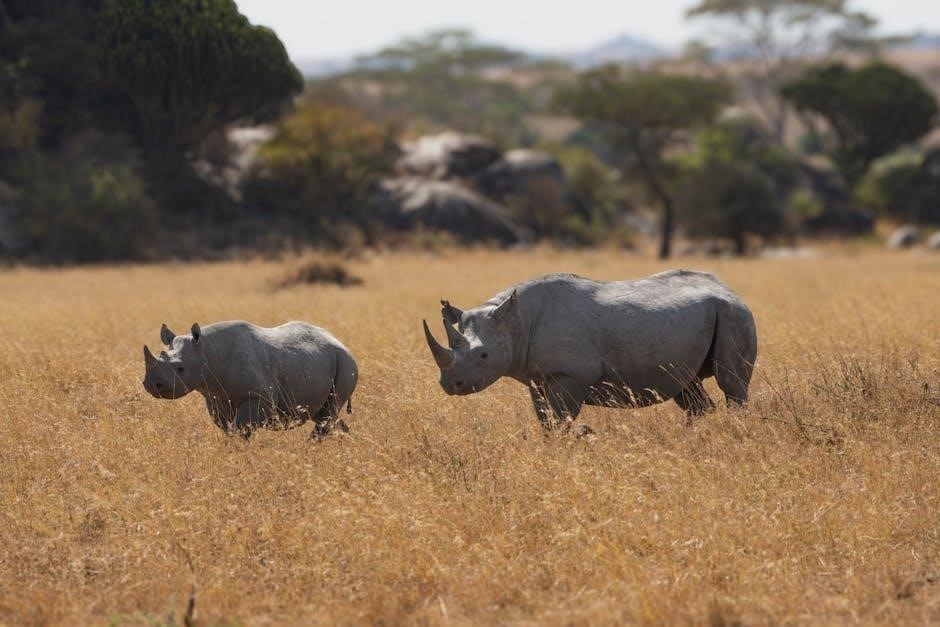
PDF-based modeling suggests that without significant mitigation efforts, suitable rhino habitat will continue to shrink, fragmenting populations and hindering genetic diversity, ultimately jeopardizing long-term conservation success. Proactive adaptation strategies, informed by these reports, are vital.
The Need for Continued Monitoring and Research
PDF reports from organizations like the IUCN Species Survival Commission consistently highlight the critical need for sustained monitoring of rhinoceros populations. Accurate data, often presented in detailed PDF assessments, is essential for evaluating the effectiveness of conservation strategies and adapting to evolving threats.
Further research, documented in TRAFFIC analyses, is crucial to understand the complex dynamics of the rhino horn trade and refine anti-poaching measures. WWF’s PDF documentation emphasizes the importance of genetic research to maintain population viability and resilience.
Long-term ecological studies, summarized in accessible PDF formats, are needed to assess the impact of climate change and habitat degradation. Continued investment in advanced monitoring technologies, detailed in various reports, will improve data collection and inform evidence-based conservation decisions, ensuring a future for rhinos.
Sustaining Viable Rhinoceros Populations
PDF reports from the International Rhino Foundation and WWF detail strategies for sustaining rhinoceros populations, emphasizing a multi-faceted approach. These documents highlight the necessity of robust anti-poaching measures, informed by data from TRAFFIC’s PDF analyses of the illegal horn trade.
Effective habitat preservation and restoration, outlined in IUCN PDF assessments, are paramount, alongside community-based conservation initiatives that empower local communities. Maintaining genetic diversity, as discussed in specialist group PDFs, is crucial for long-term population health.
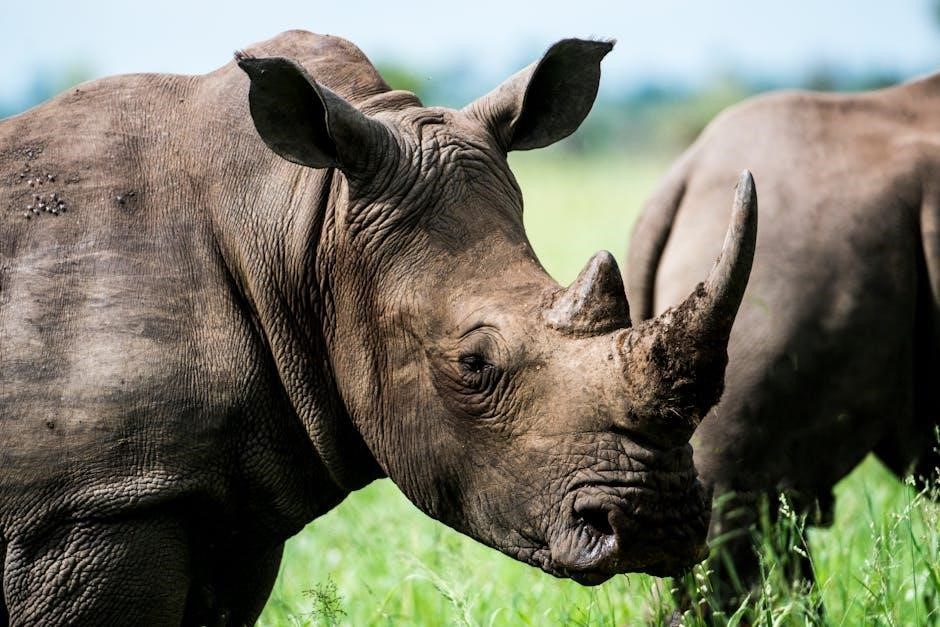
Continued monitoring, detailed in regular status reports available as PDFs, allows for adaptive management and ensures resources are allocated effectively. Ultimately, sustaining viable rhino populations requires sustained funding, international collaboration, and a commitment to evidence-based conservation, all documented in accessible PDF formats.