

Embark on a vibrant journey through FE3H gardening, where every seed blossoms into a tale of strategy and wonder. This guide unveils essential tips, from soil selection to planting schedules, ensuring your virtual garden thrives with lush, flavorful harvests that echo the game’s rich lore Enjoy! Grow.!.
Tools and Setup
Begin with a sturdy trowel, a watering can, and a compost bin. Prepare a raised bed, mix loam and organic matter, then plant seeds in rows. Keep a calendar for watering and fertilizing. A small greenhouse can extend the growing season, boosting yield. Use a timer for watering now

Essential Gardening Tools
A successful FE3H garden starts with the right tools. The cornerstone is a trowel, for soil planting seedlings and weeding. A hoe cuts through compacted earth, while pruning shears keep vines and fruit trees healthy. A watering can with a long spout delivers precise moisture to roots without disturbing foliage. A compost bin or worm farm turns kitchen scraps into nutrient‑rich mulch, boosting soil fertility. A small hand‑held cultivator loosens soil around roots, promoting aeration. A garden fork helps break up clods mix compost. A measuring ruler or tape aids in spacing plants accurately. A soil pH meter ensures optimal acidity for each species. A rain gauge tracks precipitation, informing irrigation schedules. A small wheelbarrow transports soil, mulch, and harvested produce. A set of gloves protects hands from thorns and dirt. Finally, a garden journal records planting dates, growth progress, and yields, enabling data‑driven adjustments for future seasons. A garden hose with adjustable nozzle allows for gentle misting or a stronger spray, depending on plant needs. A set of stakes and twine secure young plants, preventing wind damage; A small hand rake smooths soil after watering, reducing erosion. A pair of sharp scissors cuts away dead leaves, encouraging new growth. A digital thermometer monitors ambient temperature, guiding seasonal planting decisions. A set of seed trays speeds germination, giving seedlings a head start before transplanting. All tools should be cleaned after each use to maintain hygiene and prolong lifespan.

Soil Preparation Techniques
Before planting, assess the existing soil texture and pH using a simple kit. Loosen compacted layers with a fork or tiller, ensuring a crumbly structure that allows roots to penetrate easily. Incorporate organic matter such as compost, well‑rotted manure, or leaf mulch to enrich nutrients and improve water retention. For sandy soils, add peat moss or coconut coir to increase moisture holding capacity. In clayey beds, mix in fine sand or perlite to enhance aeration and drainage. After amending, level the surface with a rake to create a smooth seedbed. Apply a balanced slow‑release fertilizer, following label recommendations to avoid over‑feeding. Cover the amended soil with a thin layer of mulch, suppressing weeds, maintaining moisture, and regulating temperature. Finally, allow the soil to rest for at least a week before sowing, giving microbes time to reestablish and the pH to stabilize. This preparation sets the foundation for vigorous, healthy growth in your FE3H garden. By integrating these techniques, your garden will not only thrive but also create a micro‑ecosystem that supports pollinators and beneficial insects, enhancing biodiversity. Regularly monitor soil moisture with a moisture meter and adjust irrigation accordingly. Incorporate cover crops such as clover or rye during off‑season periods to fix nitrogen and suppress weeds. Finally, rotate crops to prevent pathogen buildup and maintain soil health over successive planting cycles. It boosts soil vitality and yields annuals each
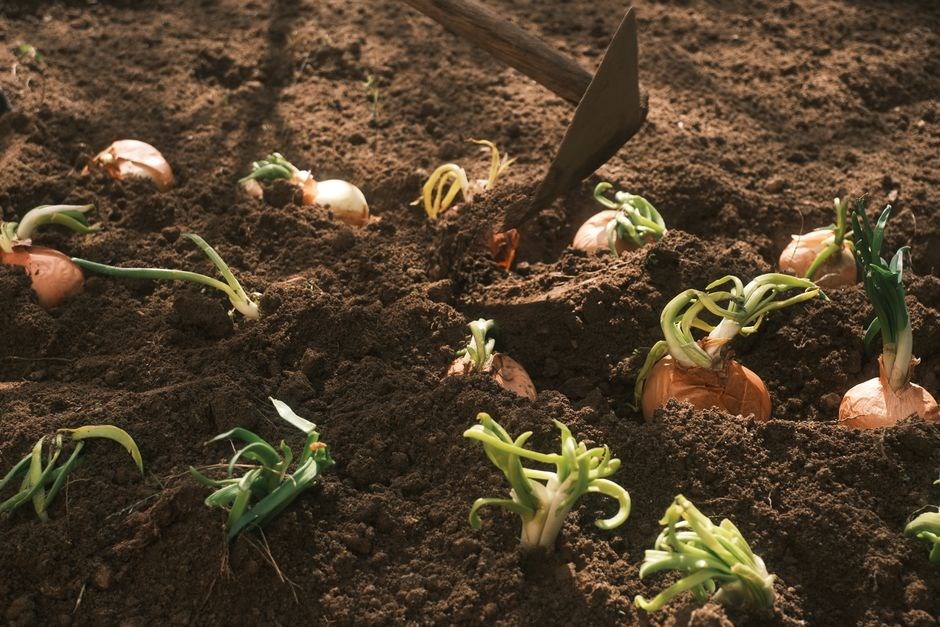
In FE3H gardening, irrigation sustains plant vitality. Choosing the right system—drip, soaker hose, sprinkler, or hand‑watering—depends on plant type, soil, and climate. Drip delivers precise moisture to roots, minimizing evaporation and disease, ideal for tomatoes, peppers, and herbs. Sprinklers cover lawns and flower beds uniformly, adjustable with timers and low‑pressure settings. Timing is critical: water early in the morning or late in the evening to reduce evaporation and allow plants to absorb moisture before the heat of the day, daily. Irrigation systems like drip, soaker, overhead, and hand‑watering each have unique benefits; choosing the right one depends on plant needs, soil type, and climate conditions. Irrigation systems like drip, soaker, overhead, and hand‑watering each have unique benefits; choosing the right one depends on plant needs, soil type, and climate conditions. Irrigation systems like drip, soaker, overhead, and hand‑watering each have unique benefits; choosing the right one depends on plant needs, soil type, and climate conditions. Irrigation systems like drip, soaker, overhead, and hand‑watering each have unique benefits; choosing the right one depends on plant needs, soil type, and climate conditions. Irrigation systems like drip, soaker, overhead, and hand‑watering each have unique benefits; choosing the right one depends on plant needs, soil type, and climate conditions. Scheduling avoids excess water, protecting crops daily!!

Plant Selection and Growth.
Choosing the right species shapes your FE3H garden’s success. Focus on climate, soil, and light, pairing sun‑loving veggies with shade‑tolerant herbs. Monitor growth stages, adjust spacing, and prune to encourage robust, flavorful yields that echo game’s vibrant world!
Sun-Loving Species
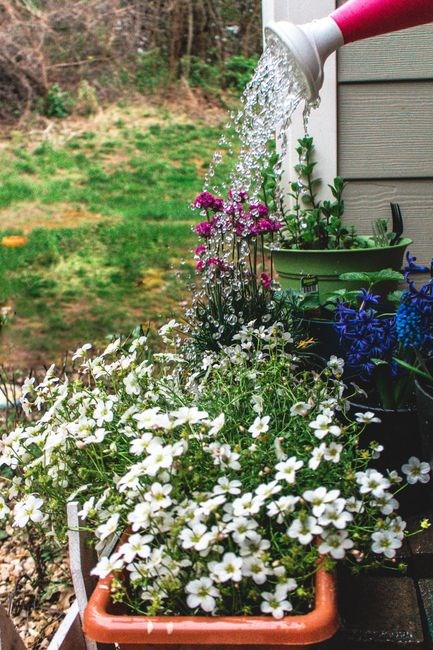
Sun‑loving species in FE3H flourish under full sunlight, requiring 6–8 hours daily to reach peak flavor and yield. Tomatoes, bell peppers, and sunflowers are staples that thrive on ample light, producing juicy fruits and vibrant blossoms. The fiery chili pepper, too, benefits from intense sun, enhancing its heat and aroma for spicy dishes. For a balanced garden, include resilient cucumbers, sweet corn, and fragrant basil, all of which gain from consistent warmth. Proper spacing—at least 18 inches between tomatoes, 12 inches for peppers, and 24 inches for sunflowers—ensures airflow and reduces disease. Water deeply but infrequently; surface watering encourages shallow roots and fungal growth. Mulch with organic material to retain moisture, suppress weeds, and stabilize soil temperature. A balanced, slow‑release fertilizer supports steady growth without excess nitrogen that can cause leafy overgrowth. Monitor for pests such as aphids, whiteflies, and hornworms; early detection and gentle interventions like neem oil or companion marigolds keep infestations low. Harvesting when fruits reach full color and firmness: tomatoes when fully ripe, peppers when glossy, basil when leaves are tender. By respecting the sun’s rhythm and providing the right care, gardeners can cultivate a thriving, vibrant array of sun‑loving species that feed the body and enrich the soul within the FE3H universe. Enjoy the vibrant harvest and share the bounty with friends.!!!!
Shade-Tolerant Variants
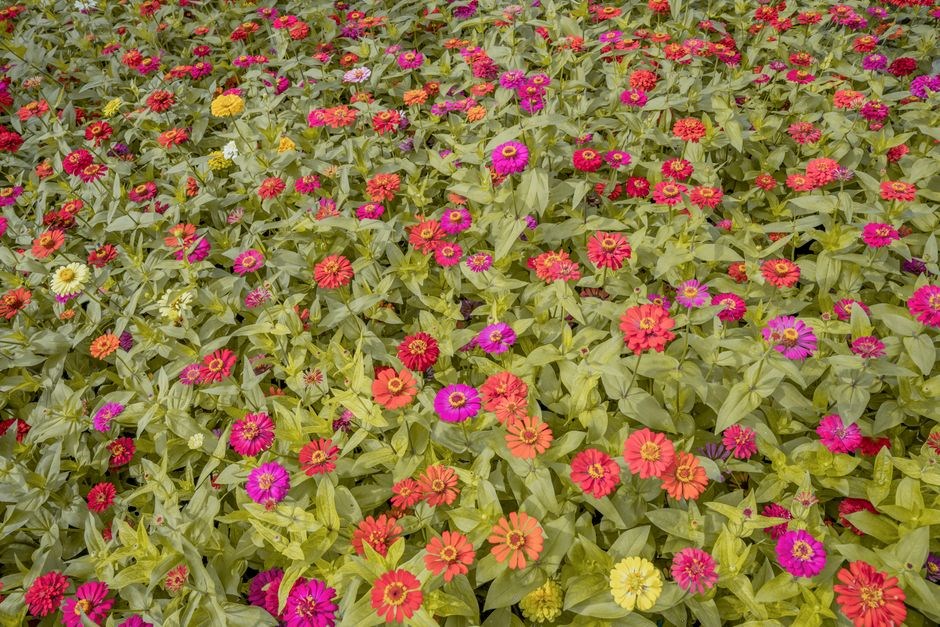
In FE3H, shade‑tolerant plants thrive in partial light, offering lush greens even in hidden corners. Leafy greens such as spinach, lettuce, and arugula grow quickly, delivering crisp, nutrient‑rich leaves. Root crops like carrots, beets, and radishes develop deep roots when shaded, preserving moisture. Herbs such as mint, parsley, and cilantro flourish under dappled light, releasing aromatic oils. Interplant shade‑tolerant species with taller plants to create microclimates; layering reduces wind damage and conserves water. Proper soil preparation involves adding compost to improve drainage. Mulching with straw or leaf litter keeps the soil cool and suppresses weeds, while a light, balanced fertilizer supports steady growth without stimulating excessive leafiness that can shade out neighbors and improves aeration, ensuring roots stay healthy and soil structure. Watering should be frequent but shallow, encouraging roots to spread horizontally and access moisture near the surface. Monitor for pests like slugs, snails, and aphids; use organic deterrents such as crushed garlic or diatomaceous earth to protect delicate leaves. Harvesting when leaves are tender and roots are firm; spinach leaves are ready when they reach 4–6 inches, carrots when they are 2–3 inches thick, and herbs when the leaves are fully formed. Shade‑tolerant variants provide a reliable, versatile supply of greens, roots, and herbs, enriching the FE3H culinary experience while maximizing space in less sunny plots. Enjoy the bounty and share the flavors with fellow adventurers!
Maintenance and Pest Control
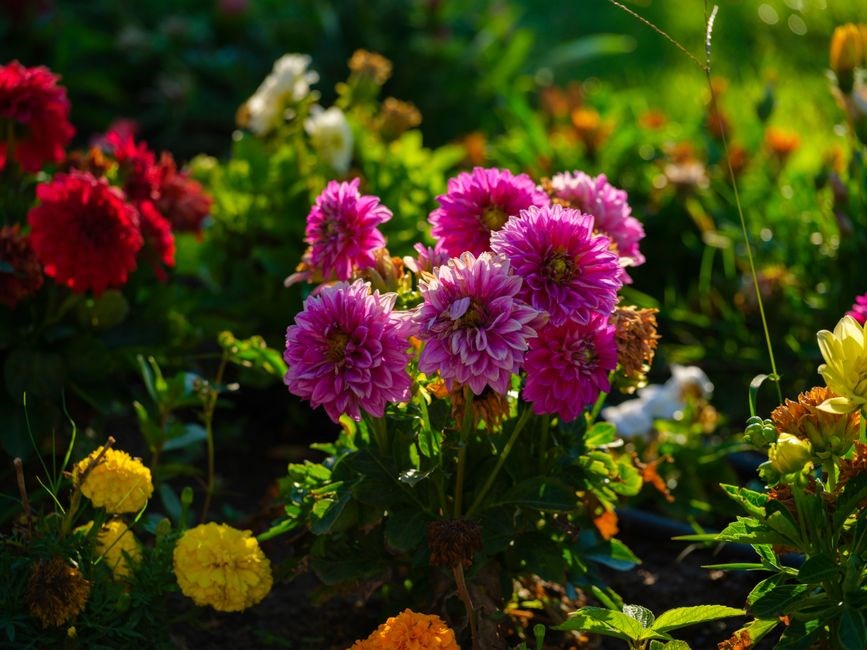
Regular pruning, proper spacing, and timely watering keep plants healthy. Use companion planting to deter pests. Use organic neem oil or insecticidal soap when needed. Rotate crops to break disease cycles. Maintain clean beds and remove debris. Keep logs for growth.
Common Pests in FE3H
Farmers in FE3H encounter a variety of pests that can hinder crop growth and reduce yields. The most common threats include the notorious Creep Beetle, which burrows into roots and weakens seedlings, and the Leaf Hopper, a small insect that feeds on foliage, leaving translucent scars that compromise photosynthesis. Another frequent visitor is the Spore Mite, a microscopic arachnid that thrives in damp soil and can transmit fungal spores, leading to blight in susceptible plants. The Garden Spider, while beneficial for catching larger insects, can also become a nuisance when it builds webs across the canopy, obstructing light and causing stress to young shoots. Additionally, the Root Nematode, a microscopic worm, infiltrates root systems, causing stunted growth and nutrient deficiencies. The Pollen Wasp, attracted to flowering crops, can lay eggs in flower buds, resulting in aborted fruit. Finally, the Vine Fly, a small dipteran, lays eggs in vine tendrils, and the larvae feed on tender tissues, weakening the plant structure. Understanding these pests is the first step toward effective management. By integrating companion planting, rotating crops, and employing predators, players can create a resilient ecosystem that deters pests while promoting healthy growth. Monitoring soil moisture, adjusting irrigation schedules, applying organic mulches also enhance plant vigor and reduce the likelihood of infestations. Consistent observation and timely intervention are key to sustaining a flourishing garden in FE3H!!.
Effective Pest Management Strategies
Implementing a layered defense system is essential for maintaining a healthy garden in FE3H. Begin with cultural practices: rotate crops each season to break pest life cycles, and select resistant varieties that naturally deter common invaders. Maintain clean beds by removing fallen leaves and debris, which serve as breeding grounds for many insects. Mulching with organic materials such as straw or compost not only conserves moisture but also suppresses weed growth, reducing habitat for pests. Proper irrigation scheduling—watering early in the morning or late in the evening—helps keep foliage dry, discouraging fungal spores and preventing the spread of diseases. Introduce beneficial insects like ladybugs, lacewings, and predatory mites; these natural predators consume aphids, beetles, and mites, keeping populations in check without chemicals. Plant companion species such as marigolds, nasturtiums, or basil near vulnerable crops; their aromatic compounds repel certain pests while attracting pollinators. Use physical barriers—row covers, netting, or fine mesh to protect seedlings from larger insects and birds. Apply treatments at night or during cooler periods to minimize damage to pollinators. Finally, monitor pest activity regularly with visual inspections or pheromone traps; early detection allows for swift action before infestations become severe. By combining these strategies, players can create a resilient ecosystem that thrives while minimizing reliance on harsh chemicals, ensuring sustainable yields throughout the growing season.

Harvesting and Utilization
Harvest at peak ripeness, noting color and firmness. Store properly in cool, dry conditions to extend shelf life. Use fresh produce in recipes, preserve via canning or freezing, and share surplus with community. Document yields for planning and resource management.!
Optimal Harvest Timing
Timing is everything when it comes to harvesting in FE3H. The game’s mechanics reward players who observe subtle visual cues and in‑game indicators that signal peak ripeness. First, check the color palette of each crop: a deep, saturated hue usually means the fruit or vegetable is ready for collection. For leafy greens, a bright, uniform green indicates maturity, while a slight yellowing can signal the optimal window for harvesting. Second, consider the “growth meter” that appears above the plant; when the meter reaches the green zone, the crop is at its prime. Third, pay attention to the in‑game time of day—many crops respond to the sun’s cycle, and harvesting during the late afternoon often yields the highest quality produce. Fourth, monitor the weather forecast; a dry spell can accelerate ripening, whereas a humid day may delay it. Fifth, use the “Harvest” button only after confirming the crop’s readiness; premature picking can reduce yield and quality. Finally, record the harvest date in your journal to track seasonal patterns and refine future planting schedules. By mastering these cues, you’ll consistently reap the best yields and keep your garden thriving throughout the game’s seasons. Remember to rotate crops to maintain soil fertility, and consider companion planting to deter pests naturally. Keep a log of weather patterns to predict growth spurts, and adjust irrigation accordingly. By integrating these practices, you’ll create a resilient, high‑yield garden that supports your in‑game adventures. Enjoy the bounty and share