

Overview of Protein Diet Plans
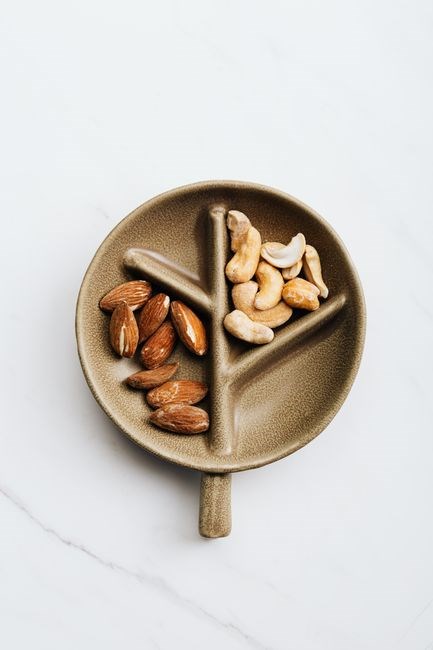
Protein diet plans focus on high‑protein foods to support muscle repair, satiety, and metabolic health. They combine lean meats, legumes, dairy, and plant proteins, balanced with fiber and healthy fats. PDFs provide structured menus, portion charts, and tracking tools. Track daily tweak when needed now.
What Is a Protein Diet Plan?
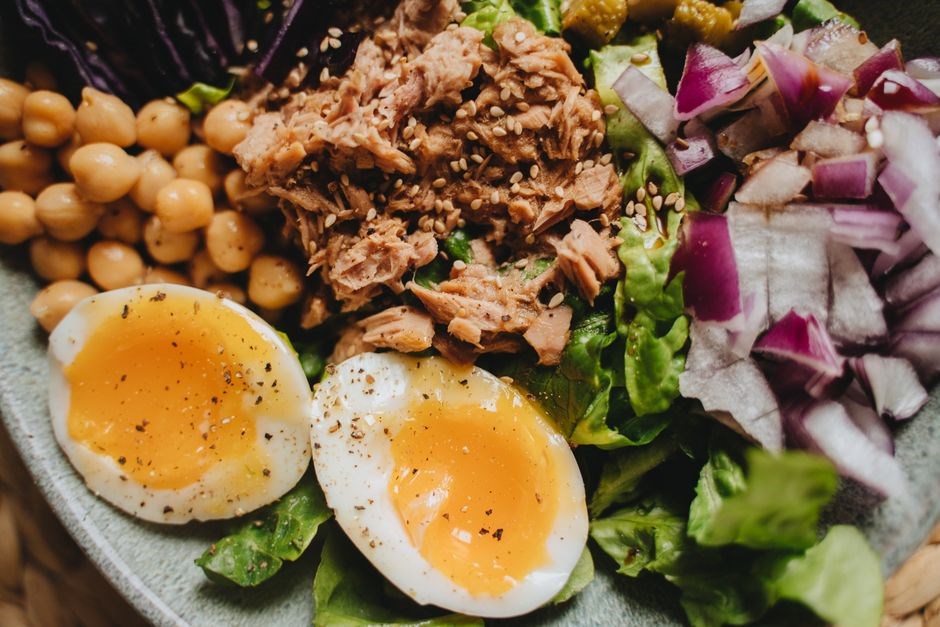
Protein diet plans are structured eating approaches that prioritize protein intake to support muscle maintenance, metabolic health, and satiety. They typically recommend consuming 1.2 to 2.0 grams of protein per kilogram of body weight daily, depending on activity level and goals. The focus is on high-quality sources such as lean meats, poultry, fish, dairy, eggs, legumes, and plant-based proteins. By increasing protein, the body can preserve lean mass during weight loss, boost thermogenesis, and reduce hunger cravings; A well-designed protein diet plan also balances carbohydrates and fats to meet energy needs and maintain overall nutrition. The plans are often presented in PDF format to provide clear meal schedules, portion guidelines, and shopping lists. Users can download, print, and customize the PDF to fit their lifestyle, dietary restrictions, and personal preferences. The PDFs include sample menus, recipes, and tracking sheets to help monitor progress and adjust portions as needed. This document is designed to guide users through the process of planning, tracking, and adjusting protein intake for optimal health. It offers practical tools, evidence-based recommendations, and customizable templates. By following the PDF, individuals can achieve balanced nutrition while meeting their fitness or wellness goals. Moreover, the PDF format allows for easy updates, enabling users to incorporate new research findings, adjust macros, and share progress with coaches, ensuring the plan remains evidence-grounded throughjourney.
Why PDFs Are Useful
Portable Document Format (PDF) files are the gold standard for sharing nutrition plans because they preserve formatting across devices, ensuring that tables, charts, and meal lists appear exactly as intended. PDFs can be opened on smartphones, tablets, laptops, and desktops without the need for specialized software, making them universally accessible. The fixed layout protects against accidental edits, so the meal schedule and portion sizes remain consistent for every user. Additionally, PDFs support embedded hyperlinks, allowing readers to click through to ingredient substitutions, cooking tutorials, or grocery lists hosted online. This interactivity streamlines the user experience and reduces the need for separate documents. Another advantage is the ability to annotate or highlight directly on the PDF using built‑in tools, which helps users track progress, note preferences, or mark completed meals. Many nutrition apps and cloud services accept PDF uploads, enabling seamless integration with digital tracking platforms. Furthermore, the archival nature of PDFs can be compressed without significant loss of quality, making them easy to email or share via messaging apps. For educators and coaches, PDF templates can be customized with branding, logos, and personalized notes, providing a professional and cohesive presentation. Finally, the archival nature of PDFs means that once a plan is finalized, it can be stored for future reference, ensuring users have a reliable record throughout their journey daily.
Calculating Your Protein Requirements
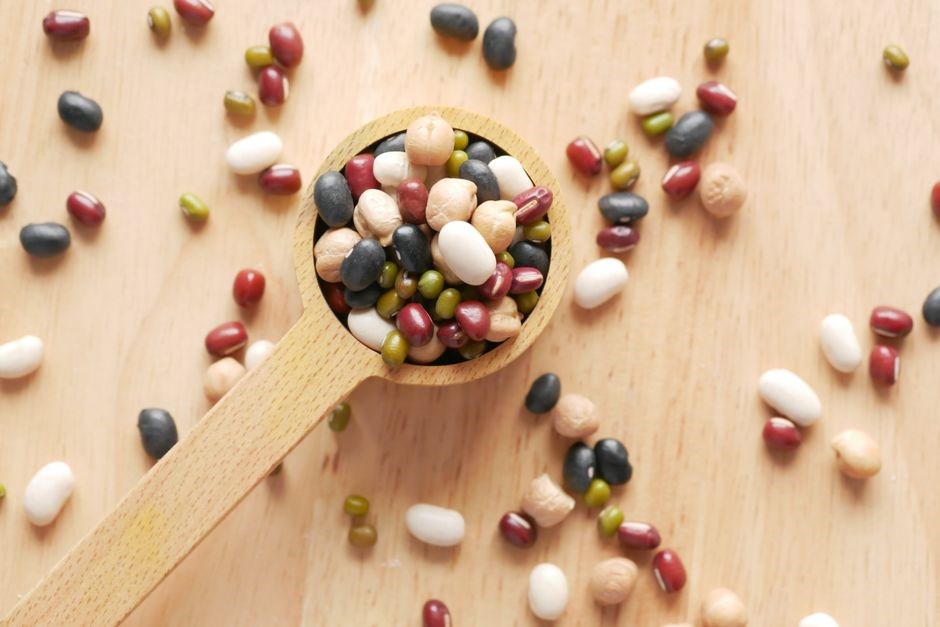
Use your weight, activity level, and goals to estimate daily protein. A common guideline is 0.8–1.2 g per kilogram for sedentary adults, rising to 1.5–2.0 g for athletes or those building muscle. Adjust portions accordingly. Keep track with a simple spreadsheet or app for consistency. Daily logs help. Keep.
Baseline Protein Needs
Baseline protein is the minimum needed to support essential functions like tissue repair, enzyme production, and hormone synthesis; Nutritionists usually recommend 0.8 g per kilogram of body weight for sedentary adults, about 0;36 g per pound. This figure comes from the RDA set by the Institute of Medicine and prevents deficiency in healthy people.
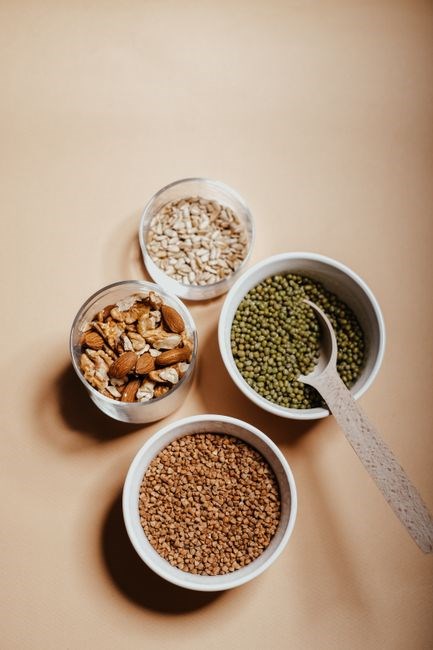
RDA is conservative and does not account for age, sex, muscle mass, or metabolic rate. Older adults often need more protein to counter sarcopenia, while athletes and strength‑training enthusiasts benefit from 1.2–2.0 g per kilogram to support muscle growth and recovery. Endurance athletes may also require slightly higher intakes to replenish glycogen and maintain performance.
When designing a protein plan PDF, include a clear baseline table listing weight, activity level, and the protein target. The table should be easy to read, with bold headers and a concise footnote explaining the calculation method. A sample table might look like this:
- Weight (kg) – 70 kg
- Activity Level – Moderate (3–5 workouts/week)
- Baseline Protein – 1.2 g/kg = 84 g/day
Incorporating a baseline helps users set realistic goals and provides a reference point for adjusting portions as training intensity or body composition changes. It also allows quick comparison across different PDF versions or updates, ensuring consistency in dietary tracking.

Remember that baseline figures are starting points; personal adjustments should be guided by progress, body composition metrics, and feedback from a qualified dietitian or coach. A well‑structured PDF should also provide visual cues—such as color‑coded sections or icons—to help users quickly identify the baseline protein column and any suggested increments for higher activity levels. Track weekly changes for optimal results. Update the PDF as needed.
Adjusting for Activity Level
Protein needs rise with training intensity. For light activity (≤2 days/week), 0.8–1.0 g/kg suffices. Moderate activity (3–5 days/week) calls for 1.0–1.2 g/kg. Heavy strength training (≥6 days/week) benefits from 1.2–1.6 g/kg, while endurance athletes (≥5 days/week) target 1.0–1.4 g/kg to support glycogen replenishment and muscle repair. Timing matters: consuming 20–30 g of high‑quality protein within 30 min post‑exercise maximizes muscle protein synthesis. For those on a calorie deficit, spread intake across 4–5 meals to maintain satiety. A quick reference table in the PDF can help users adjust portions:
- Light: 0.8 g/kg
- Moderate: 1.0 g/kg
- Heavy Strength: 1.4 g/kg
- Endurance: 1.2 g/kg
Include visual cues such as color bands or icons next to each activity level. Encourage users to track progress and tweak intake by 5–10% if muscle gain stalls or fatigue increases. A dynamic PDF allows users to update their weight and activity, automatically recalculating protein targets. Use the PDF’s built‑in calculator to adjust grams per meal based on current weight and training load. This approach ensures that the plan remains personalized and evidence‑based, fostering adherence and optimal results. Remember to hydrate adequately; aim for 3–4 liters of water daily, especially on training days, as protein metabolism and muscle recovery depend on optimal fluid balance. Additionally, consider incorporating omega‑3 fatty acids from fish or flaxseed to reduce inflammation and support joint health during intense training sessions, enhancing recovery daily.
Building a Meal Schedule
Plan 3–4 meals, each 20–30 g protein. Use a PDF template to slot breakfast, lunch, dinner, and snacks. Include portion charts, timing cues, and a quick‑scan checklist. Adjust portions as weight or activity changes. Use the PDF’s built‑in timer to remind you when to eat.
Sample Daily Meal Plan PDF
The PDF also includes a weekly macro tracker, a color‑coded progress bar, and a QR code linking to an online dashboard. Users can annotate directly on the PDF with a stylus or print and hand‑write notes. The file is compatible with most PDF readers, supports zoom, and can be saved to cloud storage for easy access on the go. By following the plan, you’ll consistently hit your protein goals and enjoy balanced nutrition without! The guide is designed for both beginners and seasoned dieters, with optional notes for adjustments based on activity level or dietary restrictions. Download the PDF, print it, and start planning your meals with confidence; The document is available in multiple formats, including a printable version that can be clipped into a binder or a digital version that syncs with your smartphone. The layout is user‑friendly, with clear headings, bullet points, and a summary table that shows your daily macros at a glance. You can also use the built‑in calculator to estimate how many grams of protein you need each day based on your weight, height, and activity level. The PDF includes a section on meal timing, explaining when to consume protein for optimal muscle recovery and growth. It also offers a weekly summary for quick progress review! The file is encrypted for privacy, and you can share it with your nutritionist or coach for personalized feedback. The PDF is a comprehensive resource that empowers you to take control of your nutrition and achieve your fitness goals. Enjoy the journey and stay committed daily!!!!
Portion Control & Tracking
Portion control is the cornerstone of a sustainable protein diet plan. By measuring servings with a digital scale or measuring cups, you can keep protein intake consistent across meals. The PDF offers a printable portion chart that shows grams of protein per food group, letting you stack portions visually. Tracking tools like a daily log sheet or a mobile app help you record intake, compare it to your target, and adjust portions in real time. Use color‑coded tabs to flag meals that exceed or fall short of your goal. The built‑in calculator estimates your protein requirement based on weight, height, and activity level, then suggests portion sizes for breakfast, lunch, dinner, and snacks. Logging each meal creates a data set that reveals patterns, such as late‑night snacking or missed protein in the morning. This insight enables targeted tweaks—perhaps swapping a high‑protein snack for a balanced protein‑carb combo. Consistent tracking keeps you accountable; the PDF’s progress tracker shows your weekly average, encouraging you to stay on target. For a visual approach, the PDF offers a pie‑chart view of daily macros, highlighting the protein slice relative to fats and carbs. Finally, the PDF encourages reflection: at the end of each week, review your logged portions, note deviations, and plan adjustments for the next week. This iterative process ensures portion control remains dynamic and data‑driven, supporting long‑term adherence and results. Use the PDF’s built‑in tracker to log each bite and stay focused. Track daily to stay on course. Stay consistent, and watch your progress soar. Keep your goals visible and stay motivated
Sample Protein‑Rich Recipes
Explore quick, nutrient‑dense meals: a spinach‑egg scramble, grilled salmon with quinoa, chickpea‑lentil stew, turkey lettuce wraps, Greek yogurt parfait with berries, and protein‑packed smoothie bowls. Each recipe balances flavor, protein, and ease. Add a side of roasted veggies to boost fiber greens.
Breakfast Ideas
Start each morning with a protein‑rich breakfast that fuels muscle repair and keeps hunger at bay. A Greek yogurt parfait layered with berries, honey, and granola delivers 20–25 g of protein per serving, while a protein‑pancake stack made from oat flour, whey or plant protein powder, banana, and egg whites offers a sweet yet savory option. A veggie omelette packed with spinach, bell pepper, and low‑fat cheese provides lean protein and micronutrients, and a chia seed pudding blended with almond milk and protein powder gives a creamy, fiber‑dense treat. For a savory bite, a breakfast burrito filled with scrambled eggs, black beans, tomatoes, and cheddar is both portable and satisfying. A protein smoothie that mixes frozen mango, spinach, Greek yogurt, and a scoop of protein powder yields a refreshing, nutrient‑dense drink. Finally, a quinoa breakfast bowl cooked in milk and topped with cinnamon, apples, walnuts, and yogurt combines complex carbs with protein for sustained energy.
The PDF format lets you print or store these recipes for quick reference, keeping you on track during busy schedules. Organizing meals into a structured timetable helps monitor protein intake, adjust portions, and swap ingredients based on availability or taste. This approach supports muscle growth and recovery while promoting overall well‑being by balancing macronutrients and micronutrients. Remember to hydrate and pair protein‑rich meals with complex carbs for sustained energy.
Enjoy protein meals stay energized.
Lunch & Dinner Options
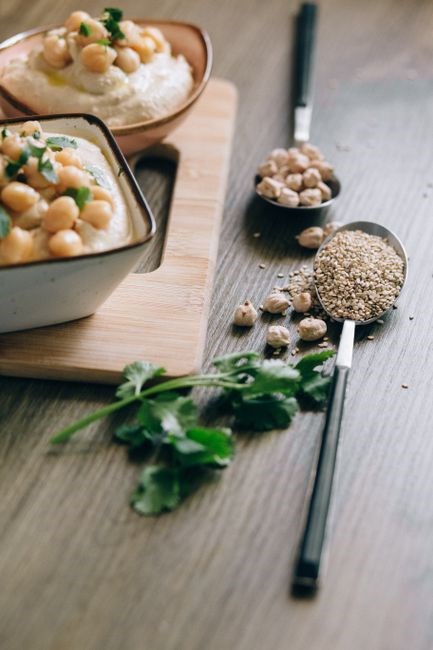
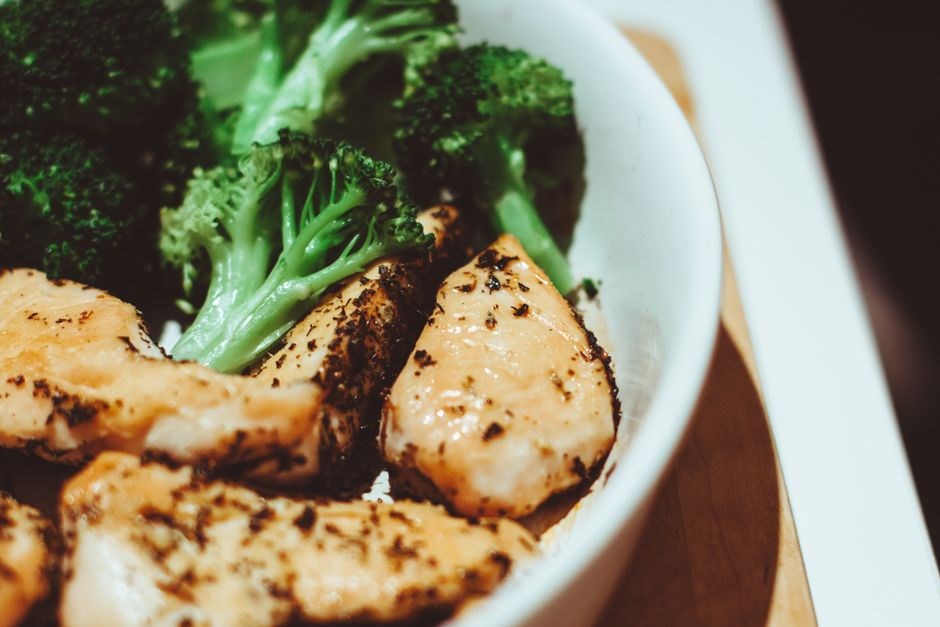
When planning protein‑heavy lunches and dinners, aim for a balance of lean meats, legumes, and plant‑based proteins that pair well with vegetables and whole grains. A grilled chicken breast served over quinoa and roasted Brussels sprouts offers about 35 g of protein per serving, while a lentil and chickpea curry with brown rice provides a hearty, vegetarian alternative with 25–30 g of protein.
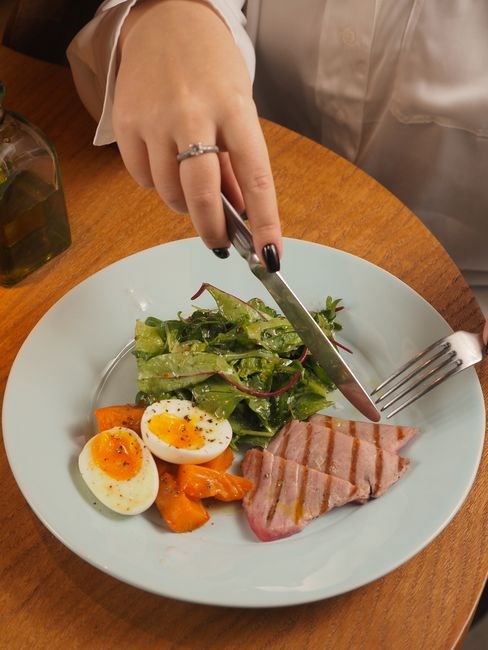
For a quick, satisfying meal, toss a tuna steak with a side of steamed broccoli and a drizzle of olive oil. Add a small baked sweet potato for complex carbs. A salmon fillet baked with lemon, dill, and garlic, accompanied by asparagus and a quinoa pilaf, delivers omega‑3 fatty acids and 30 g of protein per serving.
Stir‑fries are versatile: combine tofu or tempeh with bell peppers, snap peas, and a savory sauce made from soy sauce, ginger, and a touch of honey. Serve over cauliflower rice for a low‑carb option, or over whole‑grain rice for added fiber. A beef and vegetable stew simmered with tomatoes, carrots, and beans offers a comforting, protein‑dense dish that can be portioned for leftovers.
Use the PDF planner to track portions: a 6‑oz steak yields 42 g of protein, a cup of cooked beans provides 15 g, and a cup of cooked quinoa offers 8 g. Adjust serving sizes to meet daily protein goals while keeping calories in check. Rotate proteins weekly to keep meals exciting and nutritionally balanced. Let each meal be a step toward stronger muscles and health!!!.

Troubleshooting & Resources
Encountering low energy, cravings, or plate‑topping issues? Check protein timing, hydrate, and diversify sources. Use the PDF tracker to log intake, adjust portions, and review weekly progress. Access community forums, nutrition blogs, and free PDF downloads for guidance. Track progress daily adjust OK
Common Challenges
Adhering to a protein‑centric regimen can surface several hurdles. First, the cost of quality protein sources—lean cuts, specialty dairy, and plant‑based alternatives—often exceeds budgeted grocery lists. Second, meal prep time spikes when balancing protein with micronutrients, fiber, and healthy fats, especially for busy schedules. Third, palatability issues arise from repeated consumption of the same protein staples may lead to flavor fatigue, prompting cravings for less nutritious options. Fourth, digestive discomfort can surface from over‑intake of animal proteins or high‑fiber legumes, manifesting as bloating or gas. Fifth, social settings—dining out, family gatherings, or workplace lunches—can constrain portion control, forcing individuals to deviate from their PDF‑guided targets. Lastly, tracking accuracy is a persistent challenge; reliance on generic portion estimates or inconsistent logging can obscure true intake, undermining progress. Addressing these obstacles requires strategic budgeting, diversified protein sourcing, meal‑planning templates, and disciplined use of the downloadable PDF tracker to maintain transparency and accountability. Participants often report that the PDF’s visual portion charts help them stay on track, but they may still struggle with portion estimation, especially when dining out. Incorporating a kitchen scale, measuring cups, or visual cues like the size of a fist for protein servings can improve accuracy. Additionally, some individuals experience a plateau in weight loss or muscle gain after a few weeks; this can be mitigated by rotating protein sources, adjusting caloric intake, and incorporating strength training. Finally, staying motivated requires setting realistic milestones, celebrating small victories, and seeking support from online communities or nutrition professionals. Remember to hydrate monitor kidney function if you have pre‑existing conditions daily
Finding and Downloading PDFs
Locating a reliable protein‑diet PDF starts with reputable sources. Many universities, registered dietitians, and certified fitness platforms host downloadable plans that have undergone peer review. Search terms such as “high‑protein meal plan PDF,” “protein diet guide PDF,” or “lean‑protein nutrition PDF” yield results from academic institutions, health‑tech apps, and nonprofit nutrition sites. When a site offers a PDF, verify the author’s credentials—look for a registered dietitian, certified nutritionist, or accredited researcher. A clear publication date indicates the plan’s currency; newer PDFs incorporate updated dietary guidelines and emerging research on protein timing and distribution. Once you find a suitable document, click the download link; Most PDFs open in the browser; right‑click and select “Save as” or use the browser’s download bar to store the file locally. For mobile users, tap the link and choose “Download PDF” or “Open in….” The file can then be accessed offline, printed, or shared with a coach. Some platforms provide a “PDF generator” that lets you input your weight, activity level, and goals; the tool outputs a customized plan in PDF format. Always keep a backup on cloud storage or a USB drive to avoid data loss. After downloading, review the table of contents and skim the first few pages to confirm that the plan aligns with your dietary preferences and restrictions. If the PDF includes a tracking sheet, print it or use a PDF reader with annotation features to log daily intake. Finally, respect copyright: share the PDF only within your personal network or with a qualified professional; do not redistribute the file publicly without permission.