

Par III Herbicide: A Comprehensive Mixing Guide (Updated March 30, 2026)
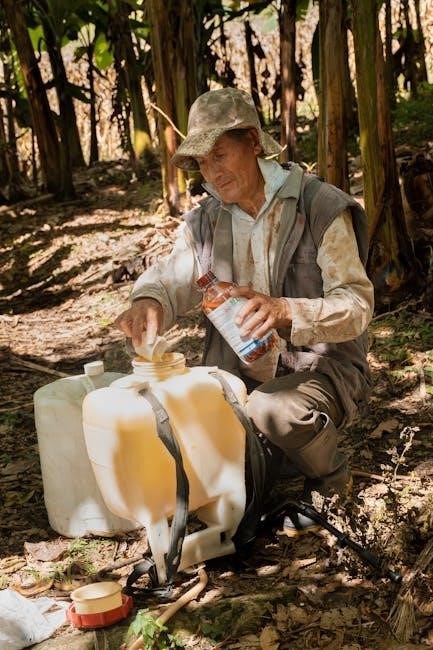
Par III herbicide requires careful handling and mixing, prioritizing operator safety and environmental protection. Always adhere to label instructions and PMRA guidelines (HS – 2011-2763) for optimal results.
Understanding Par III Herbicide Classification
Par III herbicide is classified as a Group 4 herbicide, indicating its mode of action targets specific enzymes essential for plant growth. This classification, as approved by the PMRA (HS – 2011-2763), is crucial for resistance management strategies. Understanding this grouping allows for informed decisions when rotating herbicides to prevent the development of weed populations resistant to this mode of action.
Group 4 herbicides disrupt the production of branched-chain amino acids, vital for protein synthesis in susceptible plants. Proper application, following label directions from sources like EarlySGarden.com, is essential to maximize efficacy and minimize the risk of resistance. Always consult the product label for specific weed control recommendations and rotational guidelines.
Group 4 Herbicide Designation
The Group 4 designation for Par III herbicide signifies its action as an ALS inhibitor – Acetolactate Synthase. This enzyme is critical in the biosynthesis of branched-chain amino acids within plants. Understanding this mechanism, as recognized by the PMRA approval (HS – 2011-2763), is vital for responsible herbicide use.
Herbicides within Group 4 are highly effective but prone to resistance development if used repeatedly without rotation. Utilizing diverse herbicide modes of action, as recommended on resources like EarlySGarden.com, is crucial. Proper mixing and application, adhering strictly to label instructions, helps maximize efficacy and delay resistance. Always prioritize integrated weed management practices alongside Par III application.

Safety Precautions Before Mixing
Prioritize personal safety! Always wear appropriate protective clothing during concentrate and dilute spray handling, avoiding skin contact, inhalation, and eye exposure.
Protective Clothing Requirements ‒ Concentrate Handling
When handling the Par III herbicide concentrate, stringent protective measures are essential. Workers must wear coveralls over long-sleeved shirts and long pants to prevent skin exposure.
Chemical-resistant gloves are non-negotiable, and should be rinsed thoroughly before removal to avoid contamination.
Protect your eyes with a face shield or safety glasses; avoid any chance of splashes.
Complete the ensemble with socks and sturdy shoes.
Coveralls are also required when open pouring from containers. If handling exceeds 265 kg a.e. per day (1395 L), a closed system is mandatory for added safety.
Coveralls & Long Sleeves
Wearing appropriate clothing is the first line of defense when mixing Par III herbicide. Coveralls, worn over a long-sleeved shirt, provide a crucial barrier against potential skin contact with the concentrate.
This combination minimizes exposure during all stages of handling, including mixing and loading operations.
Ensure the coveralls are fully buttoned or zipped to maximize protection.
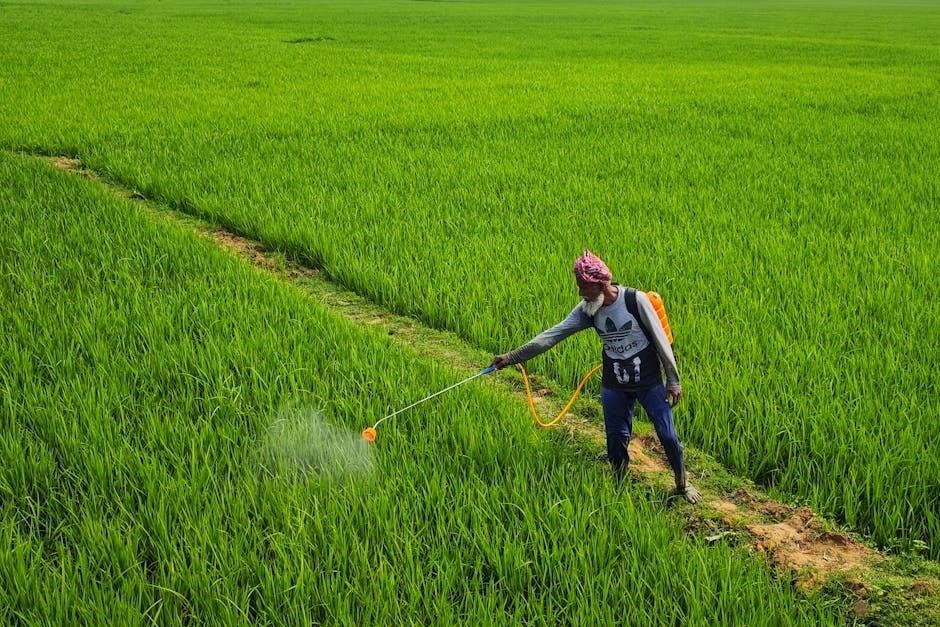
For dilute spray handling, the same principle applies – coveralls over long sleeves are required.
Remember, freshly laundered clothing and clean protective equipment should be used daily to maintain optimal safety standards.
Chemical-Resistant Gloves
Protecting your hands is paramount when handling Par III herbicide. Chemical-resistant gloves are a mandatory component of personal protective equipment (PPE) during both concentrate handling and dilute spray operations.
These gloves create a vital barrier, preventing direct skin contact with the herbicide.
Crucially, gloves must be rinsed before removal to avoid contaminating your skin.
During dilute spray handling, gloves aren’t required inside an enclosed tractor, but are still recommended for added safety.
Regularly inspect gloves for any signs of damage or wear, and replace them immediately if compromised. Proper glove selection and use are essential for operator safety.
Eye Protection (Face Shield or Safety Glasses)
Protecting your eyes from Par III herbicide exposure is non-negotiable. A face shield or safety glasses are essential components of your personal protective equipment (PPE) when handling the concentrate during mixing and loading procedures.
This safeguard prevents splashes or fumes from causing irritation or injury to your eyes.
The label explicitly states the need for protective eyewear, emphasizing the potential for harm if this precaution is ignored.
Ensure the eye protection fits securely and provides adequate coverage.
Regularly inspect your eye protection for scratches or damage, replacing it as needed to maintain optimal safety. Prioritize eye safety during all stages of herbicide handling.
Footwear (Socks & Shoes)
Proper footwear is a critical element of personal protection when working with Par III herbicide. The label mandates wearing both socks and shoes during all handling operations, including concentrate mixing and loading, as well as when dealing with dilute spray solutions.
This combination creates a barrier against potential skin contact with the herbicide, minimizing the risk of absorption.
Shoes should be fully enclosing, preventing any exposure to the feet.
Chemical-resistant footwear is recommended for enhanced protection, particularly when handling the concentrate.
Inspect footwear before each use for any signs of damage or deterioration. Maintaining this protective layer is vital for operator safety and preventing potential health risks.
Protective Clothing Requirements ー Dilute Spray Handling
When handling the dilute spray solution of Par III herbicide, specific protective clothing is required to minimize exposure. The label clearly states the need for coveralls worn over a long-sleeved shirt and long pants. This layered approach provides a robust barrier against potential contact.
Crucially, chemical-resistant gloves are also mandatory during dilute spray handling, protecting the hands from absorption.
Socks and shoes are also required, as detailed elsewhere.
However, a notable exception exists: gloves are not required during application if the applicator is safely enclosed within a tractor cab.
Remember to rinse gloves thoroughly before removal to prevent contamination, and always follow laundering protocols.
Coveralls & Long Sleeves (Dilute Spray)
During handling of the Par III herbicide dilute spray solution, wearing appropriate clothing is paramount for operator safety. The label explicitly mandates the use of coveralls, which must be worn over a long-sleeved shirt and long pants.
This combination provides a crucial physical barrier, minimizing skin exposure to the herbicide solution during application, equipment repair, or cleaning procedures.
The coveralls should fully cover the body, ensuring no skin is directly exposed to the spray.
Remember that this requirement is in addition to other protective measures, such as chemical-resistant gloves and appropriate footwear.
Consistent adherence to these clothing guidelines is essential for safe and responsible herbicide application.
Chemical-Resistant Gloves (Dilute Spray)
When handling Par III herbicide’s dilute spray solution, chemical-resistant gloves are a non-negotiable component of personal protective equipment (PPE). The product label clearly states their necessity during application, as well as when repairing or cleaning application equipment.
These gloves create a vital barrier, preventing direct skin contact with the herbicide, minimizing potential absorption and irritation.
Crucially, the label specifies a rinse-before-removal protocol for these gloves, reducing the risk of contamination during glove removal.
However, an exception exists: gloves are not required during application if the applicator is safely enclosed within a tractor.
Always select gloves specifically designed for chemical resistance and inspect them for any damage before each use.
Operator Use Precautions
Prioritizing operator safety is paramount when working with Par III herbicide. Daily preparation is key – always wear freshly laundered clothing and ensure all protective equipment is clean before commencing any mixing or application activities.
A strict glove rinse protocol must be followed before removing gloves to prevent skin contamination. Maintaining personal hygiene is equally vital; wash hands thoroughly with soap and water before eating, drinking, using tobacco, or visiting the toilet.
If herbicide penetrates clothing, immediate removal and thorough washing are essential. Heavily contaminated or drenched clothing should be discarded responsibly.
Prompt laundering of work clothes, separate from other laundry, is also crucial.
Daily Clothing & Equipment Hygiene
Maintaining impeccable hygiene is critical when handling Par III herbicide. Begin each workday with freshly laundered clothing, ensuring no residual contamination is present. This practice minimizes dermal exposure and potential health risks.
Equally important is the cleanliness of all protective equipment. Inspect coveralls, gloves, and eye protection for any damage or contamination before each use. Thoroughly clean and dry equipment after each use, storing it separately from personal clothing.
Regular cleaning prevents the build-up of herbicide residue, safeguarding against accidental exposure. Consistent adherence to these hygiene practices significantly enhances operator safety.
Glove Rinse Protocol
A meticulous glove rinse protocol is paramount when working with Par III herbicide. Before removing chemical-resistant gloves, thoroughly rinse them with water, even if appearing clean. This crucial step minimizes skin exposure during glove removal, preventing direct contact with concentrated herbicide residue.
The rinsing process should involve multiple rinses, ensuring all external surfaces are adequately washed. Dispose of the rinse water responsibly, following local regulations.
Following rinsing, carefully remove gloves, avoiding contact with the outer surface. Proper glove rinsing significantly reduces the risk of dermal exposure and maintains operator safety throughout the mixing and application process.
Personal Hygiene (Eating, Drinking, Tobacco, Toilet)
Maintaining strict personal hygiene is non-negotiable when handling Par III herbicide. To prevent accidental ingestion or contamination, refrain from eating, drinking, using tobacco, or visiting the toilet while mixing, loading, or applying the product.
These activities should only occur after thoroughly washing hands, face, and any exposed skin with soap and water. Contamination can easily occur through hand-to-mouth contact, so diligent hygiene practices are essential.
Always prioritize cleanliness and avoid any activity that could potentially introduce herbicide into your system. This simple precaution safeguards your health and well-being during all stages of herbicide use.
Contaminated Clothing Procedure
Immediate action is crucial if Par III herbicide penetrates your clothing. Remove the contaminated garment immediately to minimize skin exposure and potential absorption. Thoroughly wash the affected area of skin with soap and water, ensuring all traces of the herbicide are removed.
Clothing that has been drenched or heavily contaminated with the concentrate must be discarded; do not attempt to launder it for reuse; Launder all other clothing separately from your regular laundry, following the manufacturer’s instructions.
Prompt and thorough washing is vital to prevent further contamination. Keep and wash personal protective equipment separately to maintain its effectiveness.

Mixing Instructions & Considerations
Carefully follow all label directions when mixing Par III herbicide, ensuring accurate dilutions and proper equipment usage for safe and effective application.
Handling More Than 265 kg a.e. Per Day (1395 L)
When handling volumes exceeding 265 kg of acid equivalent (a.e.) per day, or 1395 liters, a closed system is absolutely mandatory. This critical safety measure minimizes operator exposure during mixing and loading procedures. A closed system prevents the release of herbicide concentrate into the surrounding environment and significantly reduces the risk of dermal contact or inhalation.

Ensure the closed system is properly maintained and regularly inspected for leaks or malfunctions. All connections must be secure, and transfer operations should be conducted with utmost care. Strict adherence to these protocols is essential for protecting worker health and maintaining environmental integrity when dealing with larger quantities of Par III herbicide.
Closed System Requirement
The utilization of a closed mixing system is non-negotiable when handling Par III herbicide volumes surpassing 265 kg a.e. daily (equivalent to 1395 L). This system fundamentally minimizes worker exposure by preventing direct contact with the concentrate during transfer and mixing.
A properly functioning closed system encompasses sealed containers, pumps, and piping, eliminating the potential for spills, splashes, or the release of vapors. Regular inspection and maintenance are crucial to ensure system integrity. Operators must receive thorough training on the correct operation and safety protocols associated with the specific closed system employed. This requirement is paramount for safeguarding applicator health and environmental protection.
Rinsing Procedures
Thorough rinsing of all equipment used with Par III herbicide is essential to prevent contamination and ensure proper functionality. Immediately after use, rinse the mixing tank and all associated hoses, nozzles, and measuring devices with clean water, repeating the process at least three times.
The rinse water generated must be collected and disposed of according to local regulations – do not allow it to enter waterways or contaminate the environment. Prioritize rinsing while the equipment is still wet to maximize effectiveness. Proper rinsing minimizes residue buildup and extends the lifespan of your application equipment, contributing to safe and efficient operations.
Clothing Laundering Protocol
Contaminated clothing must be laundered separately from other household items to prevent exposure. Remove clothing immediately if herbicide penetrates the fabric. Wash thoroughly with detergent and hot water, following the manufacturer’s instructions for personal protective equipment (PPE) if available.
If specific washing instructions aren’t provided, utilize a robust detergent and hot water cycle. Keep and wash PPE separately to maintain its protective qualities. Discard clothing and absorbent materials heavily contaminated with the concentrate; do not attempt to salvage them. Prompt and thorough laundering minimizes residual exposure risks and upholds operator safety standards.
Equipment Cleaning
Thoroughly clean all equipment used for mixing and applying Par III herbicide immediately after use to prevent corrosion and ensure future effectiveness. Rinse the interior of the tank with water, repeating the process multiple times. Pay close attention to nozzles, screens, and hoses, ensuring they are free of residue.
Dispose of rinse water appropriately, following local regulations. Inspect equipment for any damage or wear and tear, addressing issues promptly. Proper cleaning extends the lifespan of your equipment and minimizes the risk of cross-contamination during subsequent applications. Maintain detailed cleaning records for compliance purposes.
Disposal of Contaminated Materials
Contaminated materials, including heavily soiled clothing and absorbent materials, require careful disposal to prevent environmental contamination. Clothing drenched or heavily contaminated with Par III herbicide concentrate should be discarded as hazardous waste, following all applicable local, provincial, and federal regulations.
Do not reuse contaminated clothing. Empty containers should be triple-rinsed and disposed of according to label instructions and local guidelines. Never pour unused herbicide down the drain or into waterways. Proper disposal minimizes risks to human health and the environment, ensuring responsible herbicide use.
First Aid Measures
In case of exposure to Par III herbicide, immediate action is crucial. For skin contact, wash thoroughly with soap and water. If eye contact occurs, immediately flush with plenty of water for at least 15 minutes and seek medical attention.
If inhalation of spray mist occurs, move to fresh air. Should breathing be difficult, administer oxygen and seek medical help. For ingestion, do not induce vomiting; contact a poison control center or physician immediately. Always have the product label available when seeking medical advice. Prompt action can minimize the severity of any adverse effects.
Skin Contact
Immediate action is vital if Par III herbicide comes into contact with skin. Thoroughly wash the affected area with copious amounts of soap and water. Remove contaminated clothing immediately, as the herbicide can penetrate fabrics and continue exposure.
Discard clothing that has been drenched or heavily contaminated; do not attempt to reuse it. If irritation persists after washing, seek medical attention. Prompt and thorough washing minimizes the risk of skin absorption and potential adverse reactions. Remember to launder any potentially exposed clothing separately from other garments to prevent cross-contamination.
Eye Contact
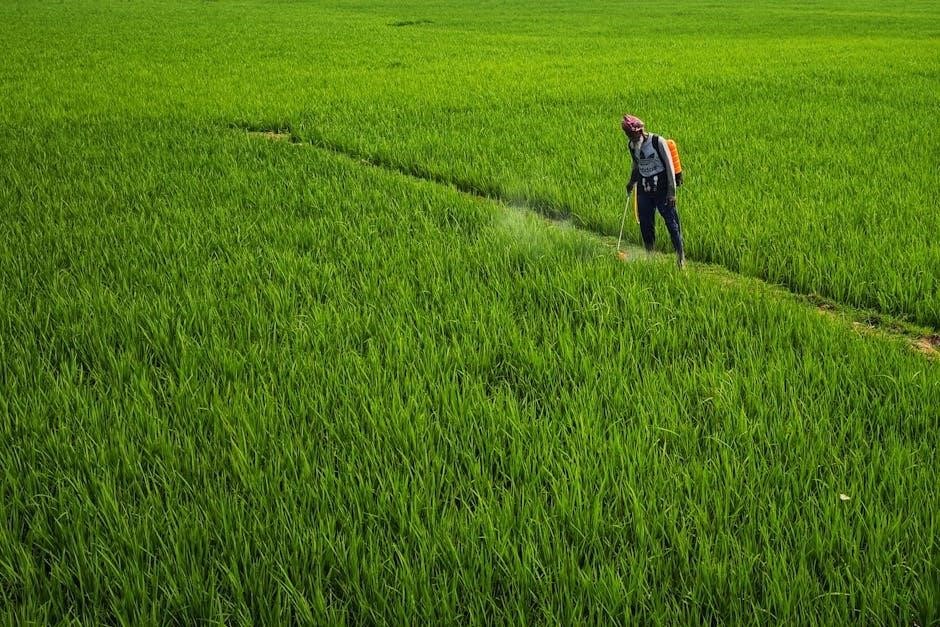
In the event of Par III herbicide entering the eyes, immediate and prolonged irrigation is crucial. Flush the eyes with a gentle, steady stream of clean water for at least 15-20 minutes, holding eyelids open to ensure thorough rinsing.

Seek immediate medical attention following irrigation, even if initial symptoms appear mild. Do not rub the eyes, as this can exacerbate irritation and potential damage. The use of a face shield or safety glasses during mixing and handling is paramount to prevent eye exposure. Prompt action can significantly reduce the risk of lasting injury.
Inhalation
If Par III herbicide fumes or spray mist are inhaled, immediate action is necessary. Move the affected individual to fresh air as quickly as possible. Ensure the person is able to breathe freely, and if breathing is difficult, administer oxygen if trained and available.
Seek medical attention immediately, even if symptoms appear minor. Avoid strenuous activity and keep the individual calm and warm; The label explicitly warns against inhaling fumes and breathing spray mist, emphasizing the importance of adequate ventilation and respiratory protection during handling. Preventative measures are key to avoiding inhalation exposure.

Ingestion
If Par III herbicide is swallowed, immediate and aggressive medical intervention is crucial. Do NOT induce vomiting unless specifically directed by a medical professional or poison control center. Rinse the mouth thoroughly with water, ensuring no residue remains.
Contact a Poison Control Centre or physician immediately, providing them with the product label for detailed information regarding the active ingredients. Never give anything by mouth to an unconscious person. Prompt medical attention is vital, as ingestion can cause severe internal damage. Prevention through careful handling and storage is paramount to avoid accidental ingestion.

Additional Resources
For comprehensive guidance, consult the PMRA approval information (HS – 2011-2763) and the full product label at EarlySGarden.com.
PMRA Approval Information (HS – 2011-2763)
This Par III herbicide product is approved by the Pest Management Regulatory Agency (PMRA) under approval number HS – 2011-2763, initially registered on August 4, 2011. This registration signifies that the product has undergone rigorous evaluation to ensure it meets Canadian health and environmental standards when used according to label directions.
The PMRA assessment considered potential risks to human health, including workers handling the concentrate and dilute spray, as well as environmental impacts. Approved use patterns and required safety precautions, such as the mandatory use of protective clothing during mixing and application, are detailed in the official label. Always refer to the most current PMRA documentation and the product label for the most accurate and legally compliant information regarding safe handling and application procedures.
Label Reference (EarlySGarden.com)
The complete product label for Par III herbicide is readily accessible at EarlySGarden.com (https://www.earlysgarden.com/images/stories/PARIII_E_label_Dec2011.pdf). This digital resource provides comprehensive instructions crucial for the safe and effective use of this herbicide.
Key information detailed within the label includes specific guidance on protective clothing requirements for both concentrate handling and dilute spray application. It outlines the necessity of coveralls, chemical-resistant gloves, eye protection, and appropriate footwear. Furthermore, the label emphasizes operator use precautions, including daily hygiene practices, glove rinsing protocols, and procedures for handling contaminated clothing. Always consult the full label before mixing or applying Par III herbicide to ensure adherence to all regulatory requirements and best practices.