
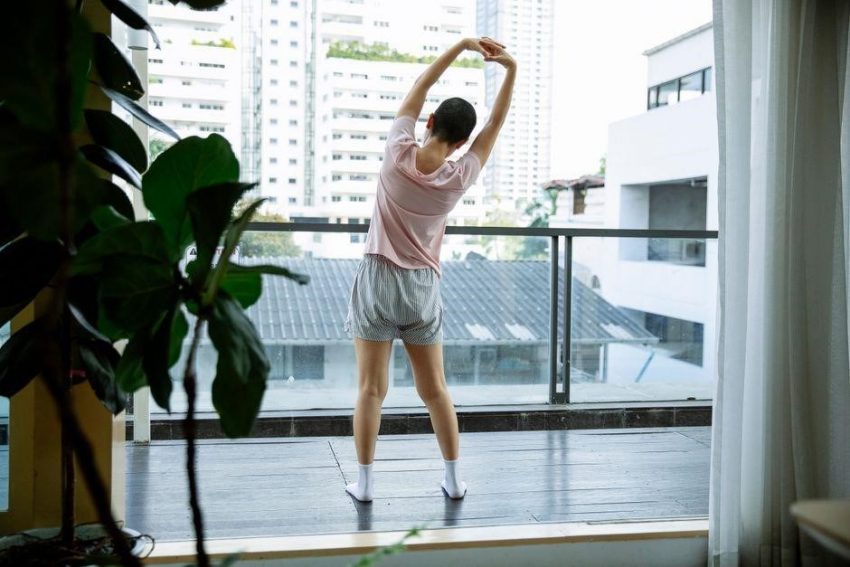
Discover how a scoliosis exercise PDF guides patients through tailored routines, offering clear instructions, progress tracking, and safety notes. It empowers individuals to strengthen posture, reduce pain, and monitor changes, all while staying accessible and evidence‑based. offers user‑friendly layout.!

Key Components of a Scoliosis Exercise PDF
Essential elements of a scoliosis exercise PDF include a concise intro, clear exercise diagrams, sets/reps, progression charts, safety cautions, and a progress log. Each section is organized for quick reference, ensuring patients follow the program accurately and safely. Daily use shows progress!
Exercise Categories and Descriptions

In a scoliosis exercise PDF, each routine is divided into distinct categories that target specific muscle groups and functional goals. The categories typically include:
- Stretching & Flexibility – Gentle elongation movements that relieve tension on the convex side of the curve, improve joint mobility, and help maintain a balanced range of motion.
- Strengthening & Resistance – Targeted resistance exercises for the back extensors, abdominal core, gluteal stabilizers, and hip abductors, designed to counteract muscular imbalances and support spinal alignment.
- Stabilization & Core Control – Plank variations, bird‑dog, and side‑bridge drills that enhance proprioception and maintain a neutral spine during dynamic activities.
- Rotational & Anti‑Rotational – Controlled twists and anti‑rotational holds that limit excessive rotation on the concave side, fostering symmetry and reducing compensatory patterns.
- Postural Awareness & Correction – Exercises that emphasize proper sitting, standing, and lifting mechanics, often paired with mirror feedback or sensor‑based cues.
- Breathing & Diaphragmatic Control – Diaphragm‑driven breathing techniques that support core stability, improve circulation, and reduce tension in the thoracic region.
- Functional Integration – Daily‑routine drills that incorporate walking, stair climbing, or carrying loads, ensuring the benefits translate into everyday life.
Each category is accompanied by step‑by‑step instructions, illustrative diagrams, recommended sets and repetitions, and progression guidelines. By systematically addressing flexibility, strength, stability, and functional movement, the PDF offers a comprehensive framework that adapts to varying curve severity and patient goals.

Health Benefits of Following the PDF Program
Adhering to a scoliosis exercise PDF yields measurable improvements: enhanced spinal alignment, reduced pain, increased core strength, and better posture. Consistent practice promotes muscle balance, improves respiratory function, and supports long‑term spinal health. Daily confidence rises.!!!….
Postural Improvements

By following a structured scoliosis exercise PDF patients can achieve significant postural realignment. The program focuses on targeted stretches and strengthening routines that address muscle imbalances on the convex and concave sides of the curve. Regular practice encourages the spine to adopt a more neutral axis reducing asymmetry in shoulder height, waistline, and pelvic tilt. Over weeks patients often notice a more balanced stance, improved gait mechanics, and a correction of forward head posture. The PDF includes progressive overload principles, ensuring that as flexibility and strength increase, exercises are adjusted to maintain optimal load distribution. This gradual adaptation prevents movements that could otherwise worsen curvature. Additionally the program emphasizes core stabilization, which supports the lumbar and thoracic regions, providing a solid foundation for everyday activities. Users report that consistent adherence leads to a heightened body awareness, allowing them to consciously maintain proper alignment during sitting, standing, and walking. The cumulative effect is a reduction in postural strain, which translates into lower risk of secondary musculoskeletal issues such as neck pain, shoulder impingement, or lower back discomfort. By integrating these exercises into daily routines, individuals can sustain the benefits long after completing the PDF’s prescribed phases, fostering lifelong spinal health and confidence in movement. Moreover, the PDF’s visual diagrams illustrate proper breathing techniques, ensuring that diaphragmatic support accompanies each movement. Consistent practice improves proprioceptive feedback, allowing patients to detect subtle postural deviations early. Over time, the cumulative effect of these mindful movements can shift the spine toward a more symmetrical alignment, reducing the need for future interventions.!!!.
Pain Reduction Strategies
Pain is a common complaint among scoliosis patients, often stemming from muscle tension, joint stiffness, and nerve irritation caused by spinal curvature. A scoliosis exercise PDF offers a systematic approach to alleviate discomfort through targeted mobility drills, myofascial release techniques, and neuromuscular re‑education. The program begins with gentle range‑of‑motion exercises that increase joint lubrication and reduce stiffness in the thoracic and lumbar regions. Gradual progression introduces controlled stretching that lengthens tight paraspinal muscles on the convex side while strengthening the weaker concave side, thereby restoring balance and decreasing load on irritated nerves. Core stabilization routines, such as the plank and bird‑dog, enhance spinal support, allowing the vertebral column to bear less strain during daily activities. The PDF also incorporates breathing exercises that activate the diaphragm and promote diaphragmatic support, which helps reduce intra‑abdominal pressure and eases tension in the lower back. Additionally, the guide recommends periodic self‑massage and foam‑rolling sequences to release trigger points and improve tissue elasticity. By consistently applying these strategies, patients often experience a measurable decline in pain intensity, improved functional mobility, and a greater sense of control over their condition. The PDF’s step‑by‑step instructions and visual cues ensure exercises are performed safely, minimizing the risk of exacerbating discomfort. Over time, the cumulative effect of these pain‑reduction techniques can transform a chronic ache into manageable discomfort, empowering individuals to engage more fully in everyday life and pursue their personal goals with confidence. Each session is designed to be completed in 20 to 30 minutes, making it easy to fit into busy schedules while still delivering measurable benefits that accumulate.

Strengthening Core and Back Muscles
Strengthening the core and back muscles is a cornerstone of any scoliosis exercise PDF, because a robust musculature supports the spine against abnormal curvature. The guide starts with a modified plank: patients lift the torso from a prone position and hold for 10–15 seconds, then increase hold time as strength grows. Next, side‑bridges target the obliques and transverse abdominis, helping to balance rotational forces on the spine. The bird‑dog exercise engages the erector spinae, gluteus medius, and abdominal stabilizers, promoting coordinated contraction of the posterior chain. For moderate curvature, the PDF recommends thoracic extension on a foam roller to mobilize the thoracic spine while strengthening upper back extensors. Resisted rows with resistance bands target the rhomboids and middle trapezius, essential for thoracic stability. Each exercise includes clear illustrations and step‑by‑step instructions to ensure proper form and prevent compensatory patterns. The program follows a gradual progression: start with 2–3 sets of 8–12 repetitions and increase volume as tolerance builds. Consistently performing these core and back strengthening routines can improve spinal support, reduce pain, and enhance functional mobility while staying within the safe parameters outlined in the PDF. The PDF also suggests incorporating stability drills such as the dead bug and the superman which engage the core muscles. Additionally, patients are encouraged to perform core activation exercises like the abdominal bracing technique, which can be practiced during routine activities to maintain spinal alignment throughout the day.By integrating these exercises into a routine, individuals can experience gradual improvements in posture, reduced muscle fatigue, and increased confidence scoliosis a symptoms.

Safety Tips and Contraindications
Use a gradual warm‑up, avoid high‑impact moves, and monitor pain. If you have a Cobb angle >45°, consult a specialist before starting. Keep each exercise within a pain‑free range, and replace any strain with gentle stretches. Always follow the PDF’s safety guidelines. Always listen to body cues daily

When to Consult a Specialist
Patients should seek professional guidance when experiencing sudden or worsening back pain, new neurological symptoms such as numbness or tingling, or if the curvature appears to progress rapidly on imaging studies. A specialist can assess the severity of the Cobb angle, evaluate spinal flexibility, and determine whether bracing, physical therapy, or surgical intervention may be warranted. Additionally, if the exercise program described in the PDF leads to increased discomfort, dizziness, or breathing difficulties, it is prudent to pause the routine and consult a spine specialist. Individuals with a history of spinal surgery, severe osteoporosis, or other comorbid conditions that compromise bone integrity before proceeding. Regular monitoring by a qualified professional ensures that the exercises remain appropriate as the spine evolves over time. In cases where the patient’s age is approaching the transition from adolescence to adulthood, a specialist can provide guidance on long‑term management strategies and help adjust the exercise intensity accordingly. Finally, if the patient’s psychological well‑being is affected—such as experiencing anxiety or depression related to the condition—early referral to a multidisciplinary team can address both physical and emotional needs. By maintaining open communication with a qualified specialist, patients can safely navigate the exercise regimen, adapt to changes in their spinal health, and optimize outcomes while minimizing risks. Stay.!
Adapting Exercises for Different Cobb Angles
When tailoring a scoliosis exercise PDF, the Cobb angle dictates the intensity, range, and focus of each movement. For mild curves (≤25°), gentle stretching and core stabilization are sufficient, emphasizing symmetry and gradual progression. Moderate curves (26–45°) require a combination of corrective postures and resistance training, with attention to muscle imbalances on the convex side. Severe curves (>45°) demand more structured protocols, often incorporating bracing cues, controlled breathing, and frequent reassessment to avoid over‑stretching the spine. Regardless of severity, each exercise should include a warm‑up, a main set, and a cool‑down, with clear markers for safe limits. Progression is guided by pain tolerance, flexibility gains, and periodic imaging. Patients should record daily notes, noting any discomfort or changes in posture, and share these logs with their clinician. Adjustments may involve reducing load, modifying angles, or adding assistive devices such as elastic bands or foam rollers. The PDF should provide visual cues for each angle range, ensuring users can self‑check alignment and avoid compensatory patterns. By aligning the program with the specific Cobb measurement, individuals can maximize benefits while minimizing risk of exacerbation. Continuous monitoring and open communication with a healthcare provider remain essential for safe adaptation and long‑term success. Adjust intensity daily based on comfort and consult your clinician needed.!

Practical Tips for Using the PDF Effectively
Set a consistent schedule, track progress, and integrate exercises into daily routine. Use reminders, log sessions, and review results weekly. Keep the PDF handy, follow instructions precisely, and adjust intensity as you improve. Stay motivated and consult professionals when needed daily practice
Setting a Consistent Schedule
Establishing a reliable routine is the cornerstone of any scoliosis exercise PDF program. By allocating specific times each day for your sessions, you create a habit that reinforces consistency and maximizes the therapeutic benefits of the exercises. A practical approach is to use a planner or digital calendar to mark each exercise slot. Label the sessions with the specific routine name, duration, and any notes about intensity or focus areas. Reviewing this schedule at the start of each week helps you anticipate workload and adjust if necessary. Consistency also means setting realistic goals. If you’re new to the program, start with shorter sessions—perhaps 10 to 15 minutes and gradually increase as you build endurance. The PDF often suggests a progression chart; use it to track when you’re ready to add more repetitions or resistance. Another key element is to incorporate rest days that allow muscle recovery. The PDF may recommend active recovery such as gentle stretching or walking. Pay attention to how your body feels; if soreness lingers beyond 48 hours, give yourself an extra day of light activity. Finally, keep a log of each session. Note the date, duration, exercises performed, and any subjective notes such as perceived effort or pain levels. Reviewing this log weekly helps you spot trends, stay motivated, and make data‑driven adjustments to your routine. Use this structured approach to turn habits into a tool that supports scoliosis management and improvement.
Tracking Progress and Adjustments
Maintaining a detailed log is essential for any scoliosis exercise PDF program. Record the date, duration, and specific exercises performed. Note any changes in pain levels, posture, or flexibility. Use a simple table or a dedicated app to keep entries organized. At the end of each week, review the data to identify patterns—perhaps a particular stretch consistently improves curvature or reduces discomfort.
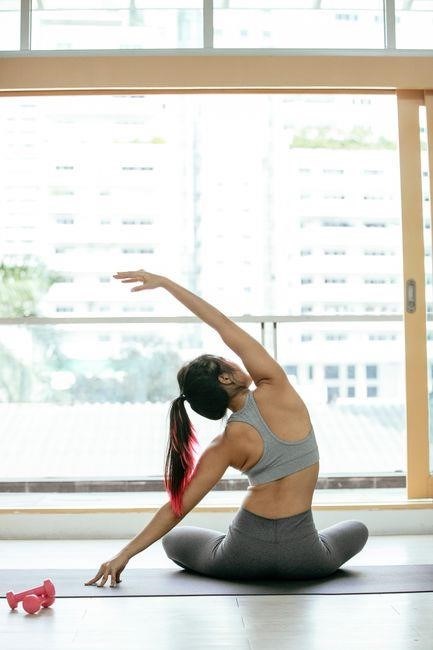
Adjust the routine by increasing repetitions, adding resistance, or extending hold times for exercises that show progress. Conversely, if pain spikes or fatigue increases, consider reducing intensity or incorporating more rest. The PDF often includes a progress chart; update it regularly to visualize improvements in alignment or strength.
Set milestone targets, such as a 5‑degree reduction in Cobb angle or a measurable increase in core endurance, to provide motivation and a clear goal. Celebrate small victories by marking them in the log. This reflective practice not only tracks physical changes but also reinforces commitment to the program.
Schedule periodic reassessments with a healthcare professional to confirm that your adjustments align with clinical goals. By staying proactive and data‑driven, you can fine‑tune the PDF exercises to match your evolving needs and maximize therapeutic outcomes.
Use a consistent logging format: date, exercise, sets, reps, pain rating. Reviewing weekly data reveals trends and guides personalized adjustments daily!!?
Incorporating Exercises into Daily Routine
Seamlessly weaving scoliosis exercises into everyday life transforms the PDF into a practical tool rather than a separate task. Start by choosing micro‑sessions: a quick 30‑second stretch before coffee, a 1-minute core roll during a break, or a 2-minute back alignment while watching TV. These brief moments accumulate, ensuring consistency without disrupting schedules.
Integrate movements into existing habits. While brushing teeth, perform a gentle neck rotation; during a commute, practice seated spinal twists; in the kitchen, use a wall‑mounted anchor for a controlled side bend. By pairing exercises with routine activities, you reduce the mental barrier to practice and reinforce muscle memory.
Use visual cues: place a sticky note on the fridge reminding you to do the “mirror pose,” or set a phone alarm every hour to prompt a quick posture check. Consistent reminders help embed the routine into the day’s rhythm. Over time, these cues become automatic, and the exercises feel like a natural extension of daily behavior.
Use a simple checklist. Each day, tick off the exercises completed. When a task is consistently finished, reward yourself with a small treat or a short walk—positive reinforcement strengthens adherence. Remember, the goal is gradual, sustainable integration, not a marathon of effort.
Finally, celebrate milestones with supportive community or personal journal, turning practice into lifelong habit that nurtures confidence .